

I still remember the first time I experienced cupping therapy. I walked into the treatment room with curiosity and left feeling like my back had just breathed for the first time in years. Since then, I’ve learned not only how cupping works, but also how dramatically different experiences can be depending on whether the practitioner uses traditional fire cupping or modern suction cupping tools. Over time, I’ve personally felt the benefits of both methods, and learned when each style is best suited to specific goals.
In this article, I’ll walk you through the differences from my firsthand perspective, how each method feels, what kind of marks they leave, how practitioners use them, what results to expect, and even how I decide which method to use when.
My First Fire Cupping Experience
Table of Contents
- 1 My First Fire Cupping Experience
- 2 Experiencing Modern Cupping: Silicone & Pump-Based Cups
- 3 The Technique Differences, In Plain Language
- 4 Which One Feels More Intense?
- 5 The Purpose: When I Choose One Over the Other
- 6 Let’s Talk About the Marks (Because Everyone Asks)
- 7 Safety & Risks, My Personal Observations
- 8 Cultural Appreciation: Why Fire Cupping Feels Historic
- 9 Results I’ve Noticed Over Time
- 10 Final Verdict: Which One Do I Prefer?
- 11 Closing Thoughts
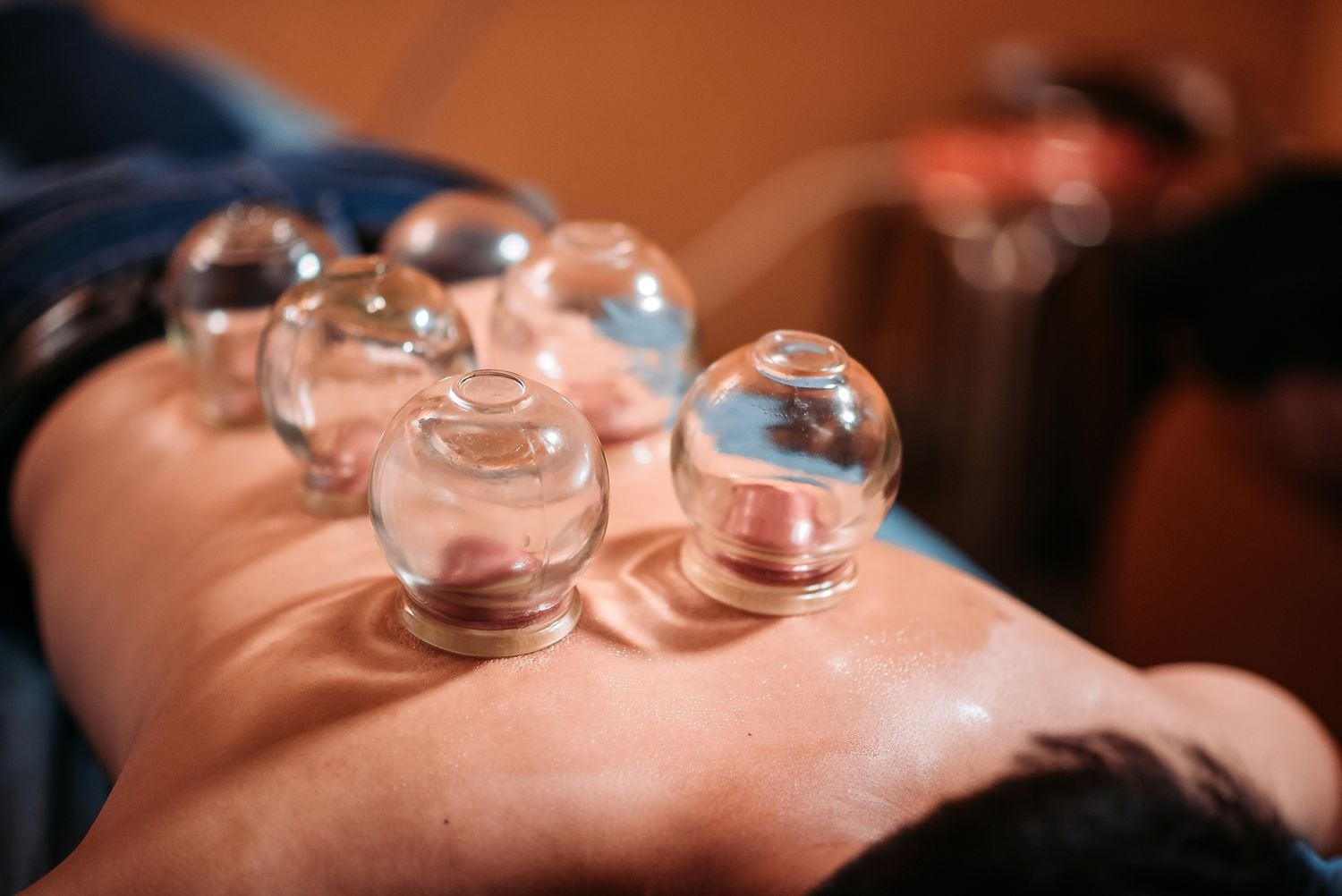
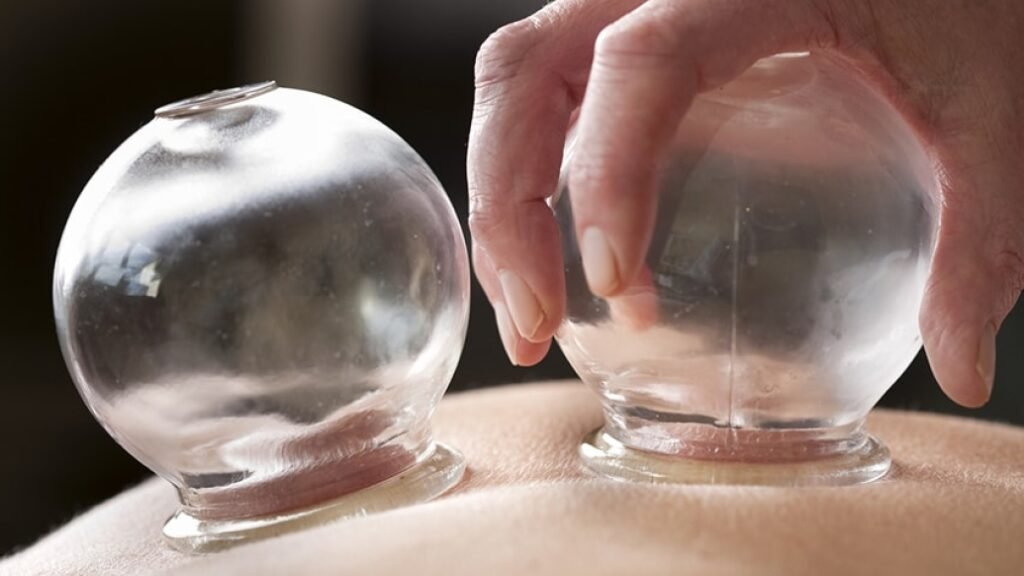
My introduction to cupping was through the traditional fire method. The practitioner lit a cotton ball, placed it inside a glass cup for just a moment, and then quickly positioned the cup on my back. The heat removed oxygen from the cup, creating a vacuum that pulled the skin upward.
The very first moment the cup attached, I was surprised, it didn’t feel like something burning or biting; it felt like a deep suction, like someone was gently pulling my muscles away from my ribs. After a few minutes, the cups felt heavier, not painful, but grounding, like small weights pressing a stable rhythm into tense muscle clusters.
Later, when I looked at the marks, I saw deep circular discolorations ranging from reddish-purple to brownish shades. They looked dramatic, but they didn’t hurt at all. In fact, I felt lighter, almost like tension had evaporated upward through the skin.
Experiencing Modern Cupping: Silicone & Pump-Based Cups
My later sessions involved modern cupping techniques using rubber, silicone, and pump-generated cups. Instead of using fire and glass, the practitioner simply squeezed a silicone cup and placed it on my skin to create suction, or used a plastic cup attached to a handheld pump so they could adjust the pressure precisely.
The sensation here was different. While fire cupping had felt intense and somewhat primal, modern cupping was more controlled and customizable. The practitioner could dial suction strength up or down instantly. The cups could slide across oiled skin, which wasn’t possible with the traditional glass-on-stationary suction approach.
The marks afterward were lighter, and they faded faster, sometimes disappearing within two days.
The Technique Differences, In Plain Language
Here’s how I explain it when people ask:
Fire cupping:
- Uses glass cups.
- Creates suction through heat.
- Cups are typically left stationary.
- The suction is determined by the speed, timing, and skill of the practitioner, less adjustable once placed.
- Leaves darker and longer-lasting marks.
Modern cupping:
- Uses silicone or plastic cups.
- Suction is created manually or mechanically.
- Pressure can be micromanaged with total precision.
- Cups can be moved along the skin.
- Leaves lighter, shorter-lasting marks.
If I want intense decompression and deep muscle release, I personally lean toward fire cupping. If I want a gentler session with more movement and lymph stimulation, I choose modern cupping.
Which One Feels More Intense?
For me, fire cupping feels deeper and stronger, especially when the practitioner uses cups with more vacuum force. It penetrates tight muscle fascia and old scar-like tension patterns.
Modern cupping feels more flexible, almost playful in comparison. The practitioner can slide the cups up and down the back, and the suction feels smoother and more uniform.
Neither method is painful when applied by someone skilled, but I will admit: sometimes during fire cupping, there were moments where one cup tugged in a way that made me inhale sharply, but in a good way. Modern cupping is more like a slow, steady massage from underneath the skin.
The Purpose: When I Choose One Over the Other
I personally choose fire cupping when:
- My back feels tight and stiff.
- I’ve had intense physical or emotional stress.
- I want deep tissue decompression.
- I’m okay with visible marks afterward.
- I have chronic muscle tightness or “knots.”
Fire cupping feels like a release of tension that’s stored deep in muscle memory.
I choose modern cupping when:
- I want a lighter, lymph-draining “movement-oriented” session.
- I have inflammation or fluid retention.
- I need faster recovery with minimal markings.
- I want targeted pressure control.
- I’m combining cupping with sports massage or myofascial release.
Modern cupping feels like a fluid, dynamic therapy that is both therapeutic and relaxing.
Let’s Talk About the Marks (Because Everyone Asks)
When I first saw my back after fire cupping, I looked like I had been attacked by an octopus. The marks were intense and lasted 4–8 days. But I’ve since learned that the coloration reveals something useful: it indicates stagnation. The darker the mark, the more stagnation or accumulated tension was released.
After modern cupping, the marks were usually faint, sometimes even barely visible, and disappeared in 1–3 days.
If someone needs to go back to work or appear on camera or simply prefers a more discreet experience, modern cupping is the way to go.
Safety & Risks, My Personal Observations
With fire cupping, I always ensure I’m working with someone experienced because they are manipulating a flame near the body and creating suction through heat. A skilled practitioner handles it confidently, but a poorly trained one could create blistering or uneven suction.
Modern cupping feels inherently safer because there’s no fire, just controlled suction. The practitioner can release pressure instantly.
I’ve never had a negative reaction to either method, but I’ve definitely noticed differences in after-sensation. Fire cupping leaves an intense heaviness fading into relaxation. Modern cupping leaves a gentle looseness.
Cultural Appreciation: Why Fire Cupping Feels Historic
There is something undeniably ancient and ceremonial about fire cupping. It has roots in Traditional Chinese Medicine and has been used for centuries for everything from respiratory issues to blood stagnation.
When undergoing fire cupping, I feel connected to a lineage of healing practices older than modern medicine. The ritual itself, the flame, the timing, the glass, feels deeply ancestral.
Modern cupping, in contrast, feels clean, medicalized, and contemporary. I’ve had sessions in clinics with bright LED lighting and standardized protocols, it’s more physiology than philosophy.
Both are valid. Both are effective. But they carry different energies.
Results I’ve Noticed Over Time
After consistent cupping sessions, combining both styles sporadically, I’ve observed:
- reduced muscle tightness
- improved shoulder and neck mobility
- less back pain after long work sessions
- deeper breathing capacity
- improved sleep quality
- faster post-workout recovery
- fewer stress-held tension spots
Fire cupping often gives me more dramatic results in a single session, especially when dealing with long-term tightness.
Modern cupping gives progressive, sustainable results over multiple sessions, particularly for circulation and lymph drainage.
Final Verdict: Which One Do I Prefer?
The truth is, I don’t exclusively favor one over the other, I see them as complementary therapies.
- Fire cupping feels like a powerful, almost spiritual cleansing of the muscles.
- Modern cupping feels like efficient, customizable, targeted physiology-based therapy.
If someone has never tried either, I usually suggest starting with modern cupping because it’s gentler and less intimidating.
Then, when ready, exploring fire cupping to experience the deeper, more intense traditional practice.
Closing Thoughts
Cupping has become one of my favorite wellness therapies, not just for muscle recovery but also for mental relaxation. Whether I’m lying under warm glass cups with little pockets of suction or feeling silicone cups glide across oiled skin, the result is always a body that feels freer and more open.
If you’re curious about cupping therapy and wondering which style to choose, trust your instinct, and your intention. Ask yourself whether your body is craving gentle encouragement or deep release.
For me, there is a time and place for both. The magic of cupping lies not just in the method, but in the experience of surrendering tension, allowing your body to let go, and feeling that quiet sense of relief that follows.
