
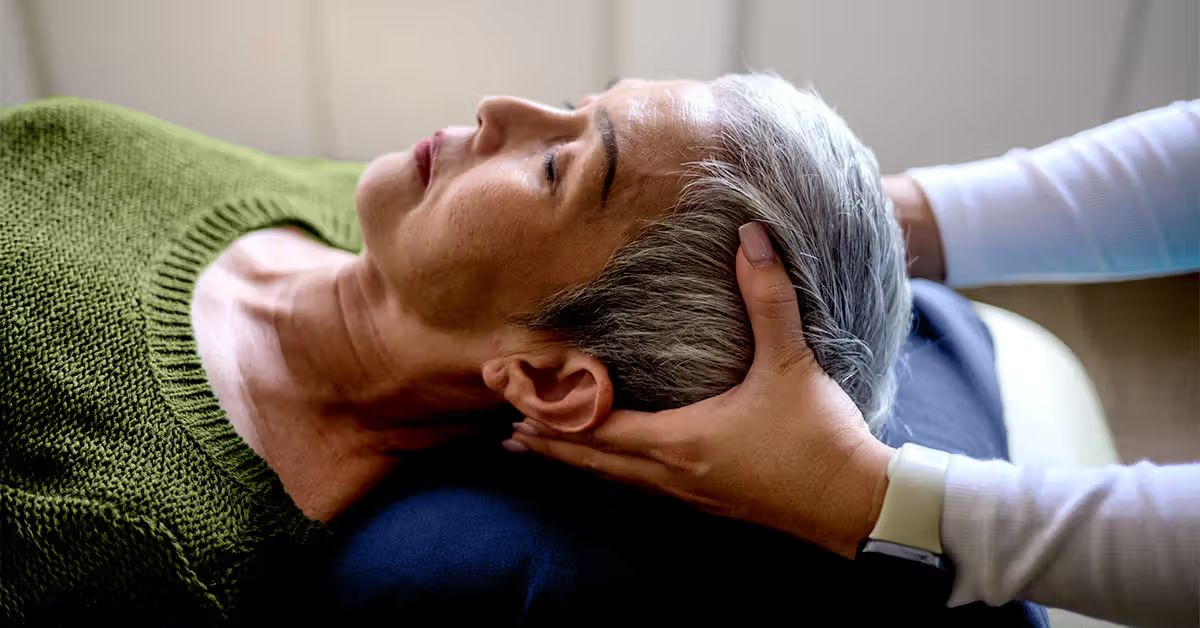
Walking into a craniosacral therapy session can feel like stepping into a different rhythm of life, one where the body is allowed to relax without being pushed, pressed, or manipulated aggressively. The idea that deep tension can dissolve without force might seem contradictory at first, but after experiencing session after session, I’ve realized how much the body responds to gentleness. The work operates in a realm beneath surface muscle layers, tapping into the quiet systems that hold stress long after the mind moves on. What surprised me most is how such delicate contact can create shifts that feel more profound than intense massage work.
The Quiet Foundation of the Therapy
Table of Contents
- 1 The Quiet Foundation of the Therapy
- 2 Why Deep Tension Responds to Light Touch
- 3 Sensing the Body’s Subtle Movements
- 4 Letting the Nervous System Lead the Process
- 5 How the Body Unwinds Old Patterns
- 6 Working Through Restriction in the Cranial and Sacral Areas
- 7 The Still Point Experience
- 8 Why Pressure Isn’t Necessary for Deep Release
- 9 Emotional Layers Linked to Physical Tension
- 10 The Slow Pace That Encourages Integration
- 11 How the Body Responds After the Session
- 12 Why the Therapy Feels So Deeply Restorative
- 13 Final Thoughts
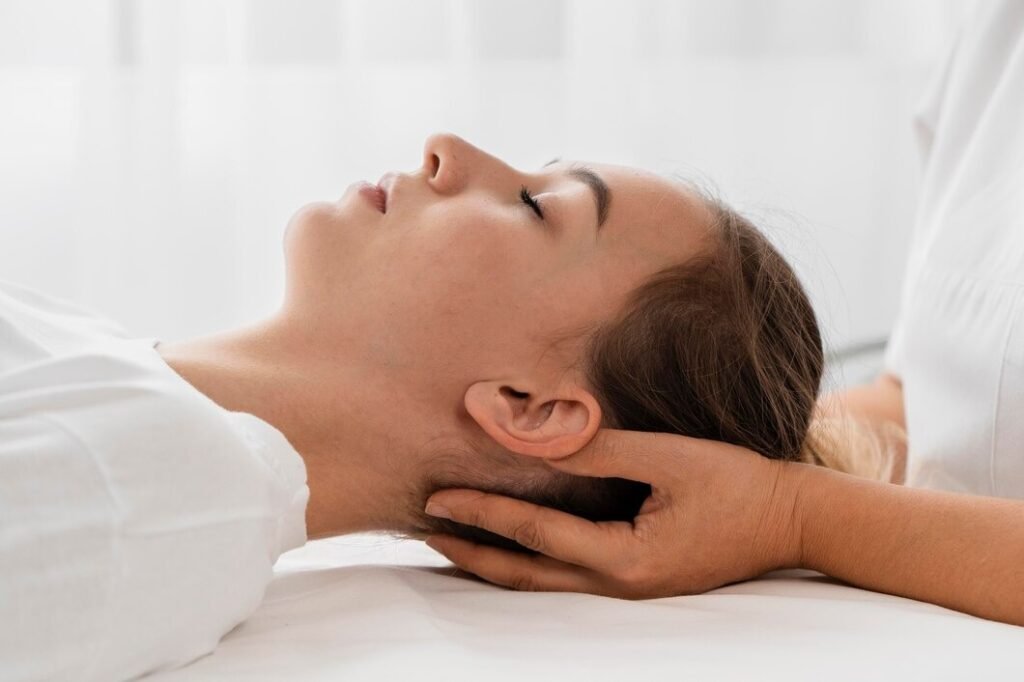
Craniosacral therapy relies on a sense of stillness that most people don’t encounter in daily life. The treatment room becomes a buffer from the noise and speed outside. The therapist often begins with light contact, and that moment alone starts the process of releasing tension. Instead of bracing for pressure the way muscles do during strong bodywork, my body tends to soften almost immediately because nothing threatens it. That softening becomes the entry point for deeper changes.
This therapy follows the craniosacral rhythm, a subtle wave that moves through the membranes and fluids around the brain and spine. Even though I can’t consciously feel that rhythm, I can sense the therapist following it with their hands. The gentleness gives my nervous system an opportunity to settle, and once that happens, tension I wasn’t even aware of begins to unravel on its own. The therapist isn’t forcing anything to happen. The body is responding to space, not pressure.
Why Deep Tension Responds to Light Touch
Strong pressure often pushes against the body’s instinctive protective reflexes. Muscles brace when something heavy or painful presses into them, even during therapeutic massage. Craniosacral therapy avoids this reaction by using a different entry point altogether. The light contact invites the body into a parasympathetic state, which is the mode responsible for rest, repair, and restoration. When the mind and body drop into that state, layers of tension that have been holding for weeks or months start loosening naturally.
The therapy works with connective tissue, fascia, and the deeper layers that carry emotional and physical stress patterns. These tissues respond more to slow, gentle listening than to direct force. I often feel as though my body is reorganizing itself from the inside out. Muscles let go, breathing deepens, and certain areas feel like they expand or open. It’s a release that comes from within rather than from someone working on me from the outside.
Sensing the Body’s Subtle Movements
During sessions, I notice sensations that aren’t typical of regular massage. Sometimes I feel a slow unwinding through my spine, like a gentle wave moving upward. Other times I sense warmth spreading through areas that have been stiff. These sensations come from tiny adjustments in the membranes and fluid systems surrounding the central nervous system. The therapist’s hands act more like a guide than a force, helping the body move back to a balanced rhythm.
The skull and sacrum both play a major role in this process. Even though the bones in the skull don’t move dramatically, they have micro-movements that affect tension in the surrounding tissues. When the therapist works around my head, I can feel a quiet release behind my eyes, temples, and jaw. This kind of release rarely happens during massage because those techniques rely on manipulating muscles rather than interacting with the deep craniosacral system.
Letting the Nervous System Lead the Process
The nervous system handles more than thought and emotion. It also decides how tightly the muscles hold, how freely the breath moves, and how much tension the body stores. Craniosacral therapy speaks directly to that system by offering stillness and gentle touch. Instead of reacting defensively, the nervous system becomes receptive and alert in a calm way.
During a session, I often reach a point where everything quiets down so much that time feels slower. This is where much of the deeper work takes place. The therapist sometimes waits during these moments, allowing my nervous system to reorganize itself. There is no rush. The body leads, adjusting its patterns carefully. When the therapist senses this shift, they follow it rather than interrupting. That cooperation between practitioner and body is what allows the release to happen without pressure.
How the Body Unwinds Old Patterns
Many tension patterns come from past physical strain, emotional stress, or prolonged periods of overwork. These patterns settle into muscle layers, connective tissue, and even the membranes surrounding the spine and skull. Craniosacral therapy addresses these patterns by helping the body remember how to move freely again. It doesn’t try to force change; it creates the environment for change to occur naturally.
I’ve felt old tension release in ways that surprised me. At times it feels like a slow melting sensation, while other moments bring a soft pulsing wave that moves through the entire body. On a few occasions, emotions surfaced unexpectedly, as though the therapy unlocked feelings stored deep within the tissues. These experiences unfold gently, not dramatically, and the therapist always holds space for them without pushing the process further than my body wants to go.
Working Through Restriction in the Cranial and Sacral Areas
The areas around the skull and sacrum often hold some of the deepest restrictions. Stress, long work hours, poor posture, and emotional strain can all tighten the membranes around the central nervous system. When the therapist places their hands under the head, the sense of support alone encourages the cranial structures to release their grip. I’ve felt tension behind my forehead, around my jaw, and at the base of my skull slowly dissolve. The release creates a sense of spaciousness I rarely notice during daily life.
Working on the sacrum brings a different kind of shift. The sacrum connects to the pelvis, lower back, and deep hip structures. Light contact in that area can create warmth or gentle movement that radiates upward through the spine. The release isn’t abrupt. It feels like the body makes room for itself, letting go of strain that it has been carrying for too long.
The Still Point Experience
One of the most profound parts of craniosacral therapy is the still point. It arrives when the craniosacral rhythm pauses naturally. In this pause, the body drops into a deep state of rest, and I often feel suspended in quietness. Muscles soften, breath slows, and the mind feels temporarily weightless. This moment acts like a reset button for the nervous system.
During still points, the body does its most efficient healing work. It reorganizes tension patterns, rebalances fluid movement, and restores ease across the craniosacral system. Once the rhythm starts again, it usually feels smoother and more balanced. The shift can be subtle or noticeable, depending on what my body needs at that moment.
Why Pressure Isn’t Necessary for Deep Release
People often assume that deep tension requires deep pressure to dissolve, but craniosacral therapy proves otherwise. Pressure can sometimes chase symptoms rather than supporting root-level changes. The body’s deeper structures respond to softness, patience, and listening more effectively than force. When the nervous system feels safe, it grants access to areas that remain guarded during intense, forceful bodywork.
This is why the therapy works on tension that refuses to respond to traditional massage. It interacts with the internal rhythms that influence muscle tone, stress patterns, fluid movement, and emotional holding. By working with the body instead of on it, the therapist encourages a level of release that pressure alone cannot achieve.
Emotional Layers Linked to Physical Tension
Tension doesn’t form solely from physical strain. Emotional stress can anchor itself deeply within the body. Craniosacral therapy often reveals these emotional layers because the work creates enough stillness for the body to process them. I’ve had moments during sessions where old stress surfaced gently and passed through without me forcing it. Those emotional releases don’t feel dramatic. They feel like an exhale that was held too long.
As these layers dissolve, the body gains freedom not only physically but mentally. My posture feels lighter, breathing becomes easier, and the sense of being weighed down lifts. This emotional clarity becomes part of the physical release, weaving both aspects together.
The Slow Pace That Encourages Integration
The pace of craniosacral therapy is intentionally slow. The therapist waits for the body to respond before moving to the next step. This patience gives the tissues time to adapt and integrate each shift. Fast, aggressive techniques might overlook these subtler changes, but craniosacral therapy honors them.
As the body integrates, tension patterns reorganize in a way that lasts longer than traditional massage sessions. Instead of temporary relief, the results often sink deeper. I usually feel the effects continue through the rest of the day and sometimes into the following days. The improvement unfolds gradually, not abruptly, and this gradual shift tends to stay with me longer.
How the Body Responds After the Session
After each session, I notice changes that continue developing even after leaving the treatment room. My breath feels deeper, my jaw feels looser, and my posture adjusts without me trying. Sometimes emotions settle more easily, and my mind feels clearer than before. These shifts feel natural rather than forced, and they reflect how thoroughly the therapy works with the nervous system.
Hydration, gentle movement, and quiet time help the body integrate the changes. I try not to rush back into a stressful environment immediately after a session because the body needs time to stabilize the new balance it created.
Why the Therapy Feels So Deeply Restorative
What makes craniosacral therapy feel so restorative is how it taps into the body’s own intelligence. The therapist doesn’t impose change; they facilitate it. The body leads the process, deciding what to release, how quickly to release it, and what pattern to reorganize. This cooperative approach makes the therapy feel safe, supportive, and deeply relieving.
The work touches areas that rarely receive attention during conventional bodywork. It supports the nervous system, which influences nearly all tension patterns. It interacts with the membranes and fluids that protect the brain and spine. It acknowledges emotional and physical layers as connected, not separate. All of this creates a level of restoration that extends far beyond simple muscle relaxation.
Final Thoughts
Craniosacral therapy has reshaped the way I view release and relaxation. Deep tension doesn’t always require deep pressure. Sometimes the most transformative changes grow from softness, patience, and stillness. The light touch used in this therapy reaches layers of the body that forceful techniques can’t access. By supporting the nervous system and following the body’s internal rhythms, craniosacral therapy offers a path to relief that feels natural, sustainable, and profoundly calming.
