

Living with an autoimmune condition often feels like navigating life with an unpredictable companion. There are days when I feel energetic and capable, and others when fatigue, inflammation, and brain fog make even small tasks feel monumental. For me, learning to manage my symptoms required a layered approach , lifestyle changes, stress management, nutrition, and one very unexpectedly transformative therapy: Manual Lymphatic Drainage (MLD).
Before I experienced MLD firsthand, I didn’t even fully understand how the lymphatic system worked. I knew it had something to do with immunity, but I didn’t grasp how essential it is, especially for people like me whose immune systems tend to misfire. After months of therapy and research , and a lot of paying attention to how my body responded , I’ve become a true believer that manual lymphatic drainage isn’t just soothing… it can be therapeutic and empowering for those of us with autoimmune challenges.
The Lymphatic System Through My Journey
Table of Contents
- 1 The Lymphatic System Through My Journey
- 2 Why I Tried Manual Lymphatic Drainage in the First Place
- 3 How Manual Lymphatic Drainage Helps Reduce Inflammation
- 4 The Unexpected Benefit: Fatigue Reduction
- 5 MLD and Brain Fog Relief
- 6 MLD and Pain Relief
- 7 A Sense of Autonomic Nervous System Reset
- 8 Conditions That Particularly Benefit from MLD
- 9 MLD as Part of a Larger Wellness Strategy
- 10 Learning Self-MLD Techniques
- 11 My Recommendation for Others Considering MLD
- 12 A Valuable Ally in Managing Autoimmune Life
I like to visualize the lymphatic system as the body’s natural waste-clearance pipeline , like a silent janitorial crew working behind the scenes. It collects metabolic waste, excess fluid, toxins, pathogens, and cellular debris, and moves them through lymph vessels to lymph nodes for filtering.
What I didn’t realize until I began MLD is this:
the lymphatic system doesn’t have a natural pump the way the heart pumps blood.
It relies on:
- muscle movement
- breathing
- hydration
- massage
- gentle pressure & stimulation
People with autoimmune conditions often have lymphatic stagnation , meaning the system gets sluggish. That can contribute to:
- swelling
- inflammation
- fatigue
- puffiness
- general malaise
- recurring flare-ups
I felt many of these on a regular basis, but I never recognized they were connected to lymph flow until after I began treatment.
Why I Tried Manual Lymphatic Drainage in the First Place
My introduction to MLD began after a friend recommended it for my inflammation and sluggishness. I remember being skeptical , massage therapy had never struck me as “medical.” But she insisted MLD was different: more clinical, more purposeful, more physiologically targeted.
So I tried it.
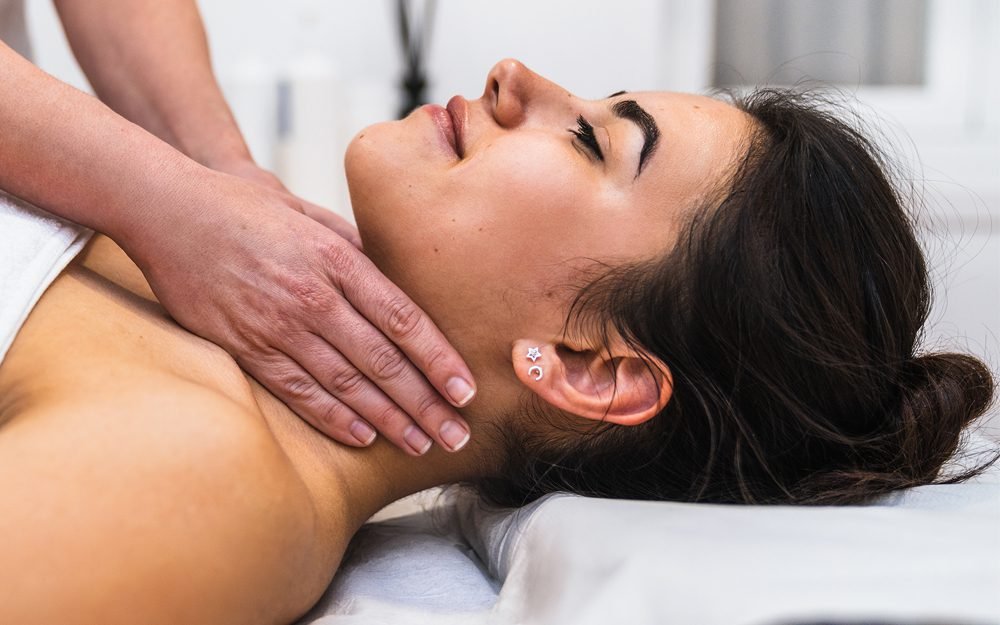
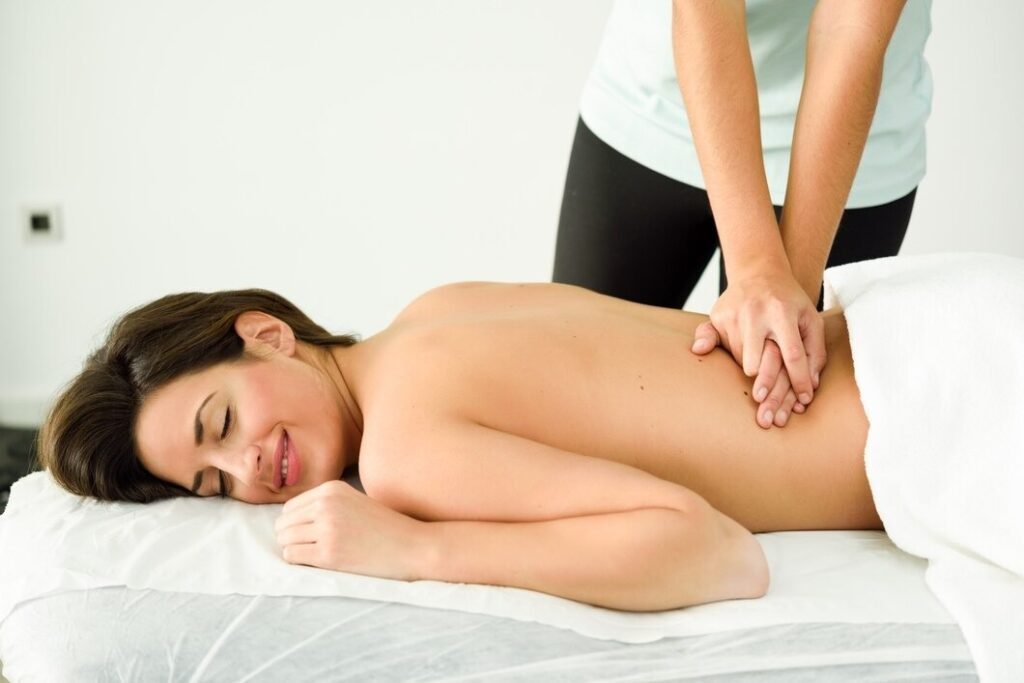
I’ll never forget the first session , not because it felt dramatic, but because it was surprisingly gentle. Unlike deep tissue massage, MLD is more like rhythmic skin stretching and feather-light pressure. I actually wondered, “Are these light movements even doing anything?”
But afterward, I felt:
- lighter in my body
- less swollen
- less mentally foggy
- and surprisingly calm
That was just the beginning.
How Manual Lymphatic Drainage Helps Reduce Inflammation
One of the core challenges of autoimmune conditions is chronic inflammation. The immune system mistakenly attacks healthy cells, triggering localized or systemic inflammatory responses.
MLD helps minimize this in three biological ways:
1. It increases lymph flow
This accelerates the removal of inflammatory cytokines and cellular waste.
2. It reduces fluid retention
Excess interstitial fluid drains through lymph pathways, decreasing swelling.
3. It supports immune regulation
Better lymph flow supports white blood cell circulation and immune system communication.
I noticed this particularly with joint stiffness. After regular sessions, the tense, swollen feeling in my fingers and knees eased noticeably.
The Unexpected Benefit: Fatigue Reduction
The fatigue that comes with autoimmune disorders is not “normal tiredness.” It’s a cellular exhaustion that no amount of coffee, sleep, or motivation can fix.
After several weeks of sessions, I was shocked to find that my energy levels improved. The tired heaviness in my limbs lessened, and I experienced a cleaner, more sustainable form of energy , not a wired energy, but a calm alertness.
Eventually, I learned why:
When lymph stagnates, metabolic waste accumulates.
That buildup can contribute to fatigue.
By clearing it out, I essentially gave my body less to “fight against.”
It felt like internal housekeeping.
MLD and Brain Fog Relief
One of the most frustrating autoimmune symptoms I struggle with is brain fog. It’s like thinking through a wet blanket: the ideas are there, but they don’t quite reach the surface.
After MLD sessions, I noticed:
- sharpened concentration
- clearer mental articulation
- improved memory access
- more balanced mood
Research suggests the lymphatic-neural connection , particularly via the glymphatic system , helps clear neurological waste and inflammatory elements around the brain.
Even if I didn’t know the technical science at the time, I felt the difference.
MLD and Pain Relief
Pain is deeply personal, and for me, it manifests as:
- muscle tension
- joint soreness
- random nerve-like sensitivity
What surprised me is that MLD, despite its softness, had tangible pain-relieving effects. I think it’s partly because:
- reducing swelling relieves pressure on nerves
- clearing inflammatory substances reduces pain signals
- calming the nervous system decreases sensitivity
I didn’t limp as much.
I didn’t wince when getting up from a chair.
Even my posture felt less strained.
Read more about how often you should do Manual Lymphatic Drainage.
A Sense of Autonomic Nervous System Reset
Something I didn’t anticipate was how calming MLD is to the nervous system. It stimulates the parasympathetic response , “rest and repair mode.” During sessions, I almost always drift into a meditative state.
As someone with autoimmune issues, I’ve learned stress is a major flare-up trigger. MLD became a regulation tool , a way to dial down the internal alarms.
Over time, I began linking MLD not just with physical relief, but with emotional unwinding.
Conditions That Particularly Benefit from MLD
From my experience and research, MLD can be helpful for autoimmune conditions such as:
- Lupus
- Rheumatoid arthritis
- Psoriasis
- Hashimoto’s
- Multiple sclerosis
- Sjögren’s syndrome
- Scleroderma
- Chronic fatigue syndrome
- Type 1 diabetes (in immune-modulation context)
I’ve spoken with other patients in waiting rooms and online forums, and many echoed similar results , especially with swelling, pain, and fatigue.
MLD as Part of a Larger Wellness Strategy
I don’t want to make it sound like MLD cured my autoimmune challenges , it didn’t. I still manage my condition daily. But MLD became a high-impact tool in a larger system of self-care.
Alongside MLD, I also focus on:
- drinking more water
- gentle movement
- stretching
- reducing inflammatory foods
- prioritizing sleep
- minimizing stress triggers
MLD amplified these efforts. I like to think of it as clearing the metabolic and inflammatory backlog so the rest of my body processes can function more efficiently.
Learning Self-MLD Techniques
Over time, my therapist taught me simple self-techniques I could use at home. These include:
- supraclavicular node stimulation
- neck drainage movements
- abdominal lymphatic breathing
- gentle limb sweeping motions
Doing these regularly , even just 10 minutes a day , helps maintain lymph flow between professional sessions.
My Recommendation for Others Considering MLD
If you’re living with an autoimmune condition and considering MLD, here’s my personal advice:
- Find a trained, certified MLD practitioner.
Look for someone trained in the Vodder, Casley-Smith, Foldi, or Leduc method. - Give it at least 4–6 sessions.
Some benefits are immediate; others accumulate over time. - Drink a lot of water before and after sessions.
You’re mobilizing waste and fluid , hydration helps flush it. - Pay attention to your body.
Track changes in swelling, energy, cognition, pain, and mood. - View it as complementary therapy, not a miracle fix.
It works best as part of a holistic wellness plan.
A Valuable Ally in Managing Autoimmune Life
Living with an autoimmune condition means learning how to support a body that sometimes feels like it’s working against you. Manual lymphatic drainage has been, for me, a way to gently encourage my body back into cooperation , to give it the tools to self-regulate and heal more efficiently.
MLD hasn’t erased my symptoms, but it has helped me regain agency. It reduces the internal pressure , literally and figuratively , and leaves me feeling clearer, lighter, and more alive.
In a journey where so much feels uncertain, finding something that brings consistent relief and steadiness is profoundly meaningful. Manual lymphatic drainage has become one of those anchors for me, helping my body move, breathe, detoxify, and find its balance again.
