

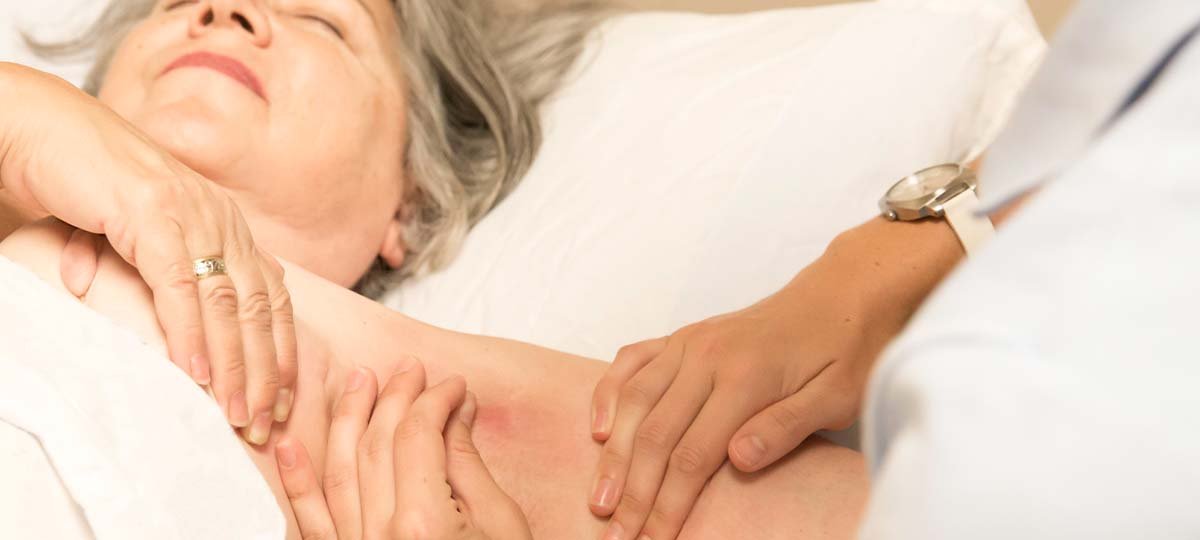
Figuring out how often to do manual lymphatic drainage can feel confusing until you start paying attention to how your body responds to touch, pressure, and the gentle rhythm of a session. I’ve noticed that people often expect a single universal schedule, but this type of massage works very differently from other bodywork techniques. Its purpose is to help the lymphatic system move fluid more efficiently, so the ideal frequency depends on your goals, your current health, and how consistently your body holds onto swelling or tension.
The more I’ve worked with this therapy, the more clearly I see how individual it is. I’ve watched clients coming in for post-surgical recovery who needed frequent sessions at the beginning and gradually tapered down as their swelling reduced. I’ve also seen people use it as part of their wellness routine to manage puffiness, fatigue, or sluggishness. Their frequency is usually much lower, but they still experience noticeable changes. To make sense of all this, I like to break down the recommended schedules based on the most common situations.
How Manual Lymphatic Drainage Works In Real Life
Table of Contents
- 1 How Manual Lymphatic Drainage Works In Real Life
- 2 Ideal Frequency After Cosmetic or Medical Surgery
- 3 Frequency for People Managing Swelling or Lymphedema
- 4 Frequency for General Wellness and Body Maintenance
- 5 What Your Body Tells You About Frequency
- 6 Frequency Based on Specific Body Responses
- 7 How Lifestyle Affects Your Ideal Schedule
- 8 Creating a Personal Routine That Works
- 9 Final Thoughts
Manual lymphatic drainage doesn’t rely on pressure in the way a deep tissue or sports massage does. It works by stimulating the lymphatic vessels just beneath the surface of the skin, helping them guide excess fluid toward areas where it can drain more efficiently. Once that basic mechanism clicks, the logic behind how often to do it becomes clearer.
The lymphatic system doesn’t have its own pump like the heart. It depends on movement, breath, muscle activity, and external stimulation. That’s why some people experience swelling or fluid retention more intensely than others. If you’ve been sitting for long periods, recovering from surgery, dealing with inflammation, or under stress, your lymphatic system can slow down. In those cases, more frequent sessions can help kickstart the process.
I’ve also seen people underestimate how gentle the technique should be. They sometimes assume that more pressure equals better results, which is not the case at all. The light, rhythmic motions are exactly what your lymphatic vessels respond to. Getting the frequency right is not only about how often you receive treatment, but how aligned the technique is with how your body naturally functions.
Ideal Frequency After Cosmetic or Medical Surgery
Post-surgical recovery is one of the most common reasons people try manual lymphatic drainage, so it makes sense to start here. Swelling can be intense during the early stages of healing, especially after liposuction, tummy tucks, BBLs, facelifts, and breast surgeries. Fluid often pools in the tissues as your body responds to trauma, and this is where the therapy plays a supportive role.
The typical recommendation is three to five sessions per week during the first two weeks after surgery. That might seem like a lot, but the early stages are when swelling is at its peak and lymphatic pathways need the most support. I’ve seen clients who followed this schedule recover much faster and more comfortably than those who spaced their sessions too far apart.
By the third or fourth week, many people are able to reduce their frequency to one or two sessions per week. Their swelling has usually gone down by then, and the tissue no longer feels as firm or congested. This gradual tapering avoids overwhelming the body and still encourages steady improvement.
Around the six-to-eight-week mark, some clients stop altogether, while others continue with a few maintenance sessions. Bodies heal differently, and scar tissue forms at different rates, so I try to remind people not to compare their timeline to others.
Frequency for People Managing Swelling or Lymphedema
Some people seek out manual lymphatic drainage for chronic swelling rather than surgery. In these cases, the therapy often becomes part of a routine rather than a short-term treatment plan. The frequency can vary widely based on how consistently the swelling returns.
For mild fluid retention, once a week is usually enough to maintain a steady rhythm in the body. It keeps the lymphatic system stimulated without overstimulating the tissues. People dealing with moderate swelling often benefit from two weekly sessions until they reach a stable point where the swelling becomes easier to manage.
Clients with lymphedema usually require a more structured approach. Many begin with multiple sessions per week until they notice sustained reduction in swelling. From there, they transition into a long-term maintenance schedule. Some benefit from weekly sessions, while others move to bi-weekly appointments. It’s all about how their body responds and how well they follow home care routines like compression garments, elevation, and movement.
Frequency for General Wellness and Body Maintenance
Not everyone comes in due to swelling or surgery. Some individuals book manual lymphatic drainage for wellness, detox support, or stress relief. They enjoy the light, soothing touch and the sense of lightness and clarity that follows. I’ve noticed that this group often doesn’t need frequent sessions since their lymphatic system isn’t overwhelmed by injury or trauma.
Most people in this category schedule sessions once every two to four weeks. That rhythm helps them feel balanced without making it feel like a medical routine. It also supports their immune system, reduces general puffiness, and creates a comforting space to release tension.
Sometimes people in this group shift their frequency based on seasonal or lifestyle changes. For example, long travel periods, increased stress, hormonal fluctuations, and changes in diet can make the body hold more fluid. I’ve seen clients increase their visits during these times and then return to their usual schedule once they stabilize.
What Your Body Tells You About Frequency
No matter what your reason is for getting manual lymphatic drainage, your body always gives clues about whether you need more or fewer sessions. I’ve learned to pay attention to these signs because they often say more than a generalized recommendation.
If you notice that swelling returns quickly after treatment, your body may still be in a heightened inflammatory phase and might benefit from more frequent sessions. If you feel consistently lighter for several days after a session, you may already be in a good rhythm and can maintain your current schedule.
Fatigue after a session can indicate that your lymphatic system is processing large amounts of stagnant fluid. That’s a normal response, but it can also signal the need to space sessions more evenly if the fatigue becomes overwhelming. On the other hand, if you feel energized and clear-headed afterward, your system is responding well and may adapt easily to more frequent treatments.
I’ve also seen people try to keep up with an unrealistic schedule because they feel they have to. Manual lymphatic drainage should feel supportive, not exhausting. Your emotional state matters just as much as your physical state. If appointments begin to feel stressful or rushed, spacing them out can bring better results.
Frequency Based on Specific Body Responses
The lymphatic system reacts to stress, hydration, movement, and inflammation, so it’s easy to notice patterns once you tune in. I pay close attention to how quickly swelling accumulates, whether the skin texture changes, and how firm or soft the tissue feels before and after treatment. Each of these details helps guide how often someone should return.
When fluid collects quickly within hours or a day after treatment, multiple weekly sessions can be beneficial. When the tissue stays soft for longer periods and swelling comes back slowly, weekly or bi-weekly appointments are usually enough.
Some people notice changes in their digestion, sleep, and mental clarity after lymphatic drainage. If these improvements last longer between sessions, their body may not need frequent treatments. If these changes fade quickly, the lymphatic system may still be trying to reset itself and might respond better to a shorter interval between appointments.
How Lifestyle Affects Your Ideal Schedule
Lifestyle habits have a major influence on how often people need manual lymphatic drainage. I’ve noticed that diet, hydration, exercise, stress, and daily movement all play important roles in the flow of lymphatic fluid.
Sitting for long hours can slow drainage, which often makes the body feel heavy or swollen by the end of the day. People with sedentary routines tend to benefit from more frequent sessions. Meanwhile, those who move regularly and stay active often find they need fewer appointments because movement helps the lymphatic vessels pump naturally.
Hydration is another major factor. Lymphatic fluid thickens when the body is dehydrated, which can make swelling more persistent. Clients who stay hydrated often notice that their results last longer. Stress and lack of sleep can also slow the lymphatic process, and people in high-stress phases may temporarily require more consistent treatments until their body stabilizes again.
Diet can influence how often someone needs sessions as well. High-sodium foods, processed foods, and alcohol can lead to fluid retention. The more frequent the retention, the more often the lymphatic system needs support. People who eat balanced diets with plenty of water-rich foods often benefit from less frequent sessions since their bodies maintain equilibrium more easily.
Creating a Personal Routine That Works
After working with many different cases, I’ve realized that the best frequency is the one that matches your body’s natural rhythm. A fixed schedule can be helpful during acute phases like post-surgery recovery, but outside of those periods, a flexible approach tends to work best.
Some people keep a simple journal to track how they feel before and after each session. Others rely on visual cues, like how swollen certain areas look throughout the week. Paying attention to these details makes it easier to identify what schedule your body prefers.
Once you find your rhythm, manual lymphatic drainage becomes a supportive part of your routine rather than something you feel pressured to do. It fits naturally into your lifestyle and becomes a way to help your body release what it no longer needs.
Final Thoughts
Manual lymphatic drainage works best when the frequency matches your physical needs, your goals, and your current state of recovery or wellness. Some people need multiple sessions a week to manage swelling, while others find that monthly visits give them exactly what they need. There isn’t one perfect schedule for everyone because every body responds differently.
What matters most is recognizing how your body reacts and adjusting your routine based on those signals. With the right frequency, manual lymphatic drainage becomes more than a treatment. It becomes a way to help your body function smoothly, recover more comfortably, and maintain a sense of balance that carries into everyday life.
