

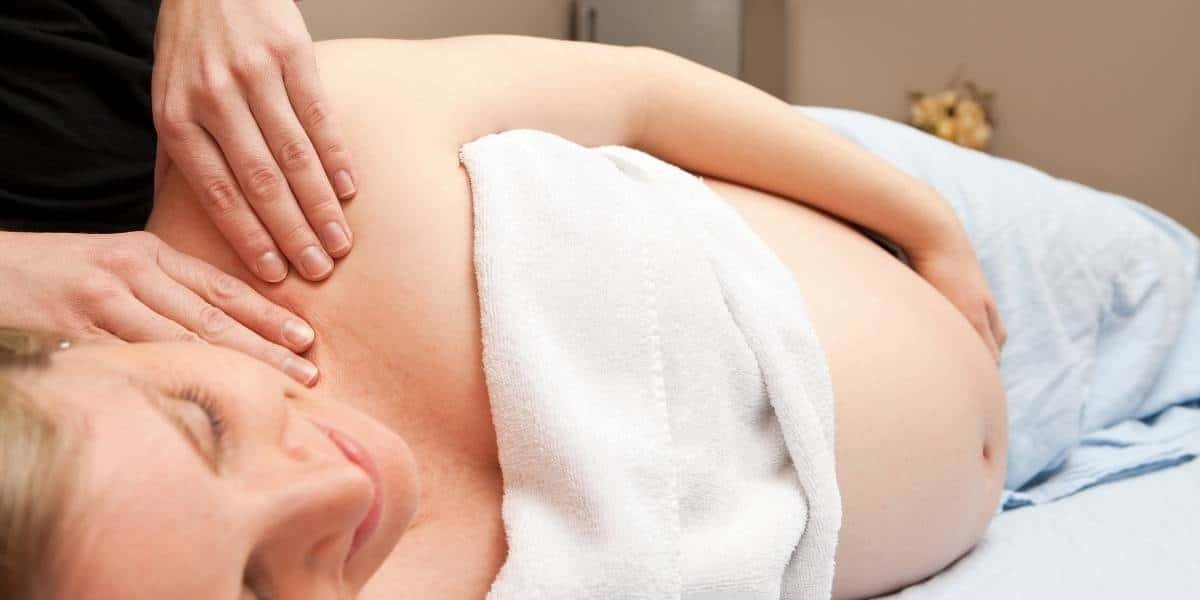
Preparing for birth involves more than reading guides, attending appointments, and organizing baby essentials. The body itself goes through a long transformation that requires constant support, and one of the most powerful ways to ease that transition is prenatal massage. Over time, I’ve seen how consistent bodywork helps pregnant women move more freely, breathe more comfortably, and enter labor with better mobility and less accumulated tension. The connection between massage and birth preparation is stronger than most people realize, and the benefits often show up during the very moments where strength, calmness, and endurance matter most.
How Prenatal Massage Eases Muscular Tension Before Labor
Table of Contents
- 1 How Prenatal Massage Eases Muscular Tension Before Labor
- 2 How Massage Supports Pelvic Alignment
- 3 How Prenatal Massage Improves Circulation for Birth Preparation
- 4 How Massage Prepares the Nervous System for Labor
- 5 How Prenatal Massage Enhances Flexibility and Range of Motion
- 6 How Massage Helps With Common Pregnancy Discomforts That Affect Labor
- 7 How Prenatal Massage Supports Better Sleep Before Birth
- 8 How Massage Encourages Better Breathing Before Labor
- 9 How Prenatal Massage Influences Hormonal Balance
- 10 How Massage Supports Your Body During the Final Weeks
- 11 The Role of Prenatal Massage in Preparing for Labor Positions
- 12 How Massage Helps Build Body Awareness Before Birth
- 13 Final Thoughts
Muscular tension tends to build gradually throughout pregnancy. The weight of the belly increases, the lower back compensates, and the hips begin to carry more load than usual. Eventually, tightness settles into areas like the lower back, glutes, shoulders, and legs. Prenatal massage helps release that tension before it becomes overwhelming. The more relaxed your muscles are before labor begins, the easier it becomes for your body to adapt to contractions and shifting positions.
Massage softens the tissue around the hips and pelvis, making it easier for your body to open naturally during birth. Many women discover that movements such as squatting, leaning forward, or changing positions during labor become far more comfortable when tension has already been addressed. Tight muscles often work against the body during birth, but relaxed ones support it. That difference becomes extremely noticeable as contractions intensify and the body relies on strength and fluidity to progress.
How Massage Supports Pelvic Alignment
Pelvic alignment plays a major role in birth preparation. As the belly grows, posture changes and the pelvis tilts to accommodate the added weight. The strain can create imbalances that cause discomfort and limit mobility. Prenatal massage helps maintain proper alignment by easing tension around the sacrum, hips, and lower back.
Proper alignment gives the baby more room to settle into an optimal position. Babies who can move freely often engage better in the pelvis, which can contribute to a smoother labor. Massage doesn’t force alignment; instead, it relieves the muscular tightness that pulls the body out of balance. This creates a more relaxed foundation for the body to work with as birth approaches.
Pelvic alignment also affects comfort during contractions. A balanced pelvis allows the body to shift positions more fluidly, which is important because movement helps the baby descend and rotate. Massage encourages flexibility through the joints and surrounding muscles, making it easier to move without feeling stiff or restricted when labor begins.
How Prenatal Massage Improves Circulation for Birth Preparation
Good circulation becomes essential as pregnancy progresses. Swelling in the legs, feet, and hands is common, and massage supports better blood flow and fluid movement throughout the body. Improved circulation also benefits the uterus, placenta, and muscles that work during labor.
Massage helps oxygen reach the tissues more efficiently. Muscles that receive proper oxygenation tend to perform better and fatigue more slowly. This matters during labor because contractions require strength, endurance, and resilience from the body. Better circulation helps reduce cramping and supports overall comfort.
Increased blood flow also helps eliminate metabolic waste more effectively, which reduces inflammation and promotes a sense of lightness. Swelling often causes stiffness and restricted movement, and massage helps ease that discomfort so you can move more comfortably through the later stages of pregnancy.
How Massage Prepares the Nervous System for Labor
The nervous system becomes heavily involved during birth. Contractions, pressure, and physical strain all rely on signals that travel through the body in rapid waves. Prenatal massage helps regulate the nervous system by triggering the body’s relaxation response. Stress hormones decrease, and calming hormones like serotonin and oxytocin become more active.
This shift has a powerful effect on labor preparation. Women who receive massage regularly tend to approach birth feeling more mentally grounded. Their breathing becomes deeper, their heart rate steadies more easily, and their emotional stress feels lighter. Labor demands both physical and emotional strength, and massage helps create a steady foundation for both.
Lower stress levels can also influence how the body responds to contractions. When the nervous system is calm, the muscles respond with greater ease, reducing unnecessary tension that might slow down progress. A relaxed mind often leads to a relaxed body, and that combination supports a smoother birth experience.
How Prenatal Massage Enhances Flexibility and Range of Motion
Flexibility becomes increasingly important during pregnancy. The hips need to open, the pelvis needs mobility, and the legs and lower back must adapt to new movement patterns. Prenatal massage helps maintain flexibility by relaxing tight muscles and improving the elasticity of soft tissues.
This flexibility allows you to adjust positions during labor without feeling stuck or tense. Movement plays a crucial role in helping the baby descend, and massage supports that movement by keeping the joints and muscles open. Many women find it easier to squat, kneel, or lean forward during birth after receiving regular massage.
Range of motion also affects breathing. When your back, ribs, and diaphragm feel less restricted, your breath deepens more naturally. Deep breathing supports relaxation, reduces stress, and helps maintain rhythm during contractions. Massage contributes to this by easing tension around the chest, upper back, and neck, allowing for more expansive breathing.
How Massage Helps With Common Pregnancy Discomforts That Affect Labor
Pregnancy discomforts like sciatic pain, lower back strain, and hip tightness can make labor more challenging. Massage helps reduce these issues before birth begins. Sciatic discomfort, for example, often shows up as shooting pain down the leg. Massage around the glutes and lower back helps ease pressure on the sciatic nerve.
Lower back pain becomes more manageable when the surrounding muscles relax. This relief helps during labor because the lower back often works intensely throughout contractions. If the muscles are already relaxed, they can handle the strain more effectively.
Hip and pelvic tightness can also influence the way the baby positions itself. Massage encourages relaxation in these areas, making it easier for the body to support natural movement during labor. By addressing these discomforts ahead of time, prenatal massage prepares the body to handle the physical demands of birth with more ease and confidence.
How Prenatal Massage Supports Better Sleep Before Birth
Quality sleep becomes harder to achieve as pregnancy progresses. Discomfort, an active mind, and constant shifts in body temperature all make sleep unpredictable. Prenatal massage helps promote better rest by calming the nervous system and easing muscular tension.
Better sleep plays a bigger role in birth preparation than many women realize. Rested muscles perform better during labor. A rested mind handles stress more effectively. A tired body struggles to maintain momentum during long or active labors. Massage helps restore the quality of sleep that becomes harder to maintain naturally as the due date approaches.
Improved sleep also reduces irritability, anxiety, and emotional overwhelm, which creates a calmer environment for your body as it nears birth. These emotional benefits carry over into the birthing experience, allowing you to begin labor from a more stable and relaxed place.
How Massage Encourages Better Breathing Before Labor
Breathing becomes more restricted as the uterus grows and the diaphragm shifts upward. This can lead to shallow breathing, which increases anxiety and reduces oxygen flow throughout the body. Prenatal massage helps relieve tension around the ribs, diaphragm, and upper back, allowing for deeper, more controlled breathing.
Deep, steady breathing becomes a major tool during labor. It helps manage contractions, maintains rhythm, and reduces stress. Massage prepares the body for this by freeing the muscles that support the breath. When breathing feels easier, the mind becomes calmer, and the body responds with more fluidity during the intensity of contractions.
Better breathing also helps with endurance. Labor is often compared to a marathon, and having strong respiratory support plays a significant role in staying centered through the process.
How Prenatal Massage Influences Hormonal Balance
Hormonal changes are constant during pregnancy. Massage supports hormonal balance by reducing cortisol, the stress hormone, and encouraging the release of oxytocin, often called the bonding or love hormone. Oxytocin plays a significant role during birth because it helps stimulate contractions and supports emotional connection.
By encouraging relaxation and reducing stress, massage helps maintain healthier hormonal patterns leading up to labor. This influences your mood, your physical comfort, and your overall readiness for birth. Women often report feeling more emotionally grounded, more confident, and more connected to their bodies after consistent massage.
Emotional stability becomes especially beneficial in late pregnancy, when anticipation and restlessness often increase. Massage offers a steadying influence that many women appreciate as they approach their due date.
How Massage Supports Your Body During the Final Weeks
In the final weeks of pregnancy, the body often feels heavier, slower, and more sensitive. Massage becomes a valuable support tool during this time. It eases swelling, reduces tension, and helps your body stay mobile as birth approaches.
The hips and pelvis feel more compressed in the final weeks, and massage helps them stay flexible. The lower back works harder to support the weight of the belly, and massage relieves the strain. Sleep becomes more irregular, and massage helps regulate the nervous system.
Many women also appreciate the emotional clarity and sense of calm that massage provides during this time. The closer you get to labor, the more helpful it becomes to feel mentally and physically balanced.
The Role of Prenatal Massage in Preparing for Labor Positions
During labor, movement makes a tremendous difference. Squatting, rocking, leaning forward, and shifting from one side to the other help the baby descend and rotate. Prenatal massage helps prepare your body to transition into these positions without fighting against stiffness or tension.
Looser hips make squatting easier. Relaxed back muscles make it more comfortable to lean over and breathe through contractions. Flexible leg muscles support kneeling and rocking movements. Massage helps your body maintain the fluidity needed to move freely during labor, which can contribute to a smoother birth experience.
How Massage Helps Build Body Awareness Before Birth
Birth requires a strong connection between the mind and body. Prenatal massage helps strengthen that connection by making you more aware of your breathing, your posture, your tension levels, and your comfort zones. This awareness becomes valuable during labor because it helps you respond more intuitively to your body’s signals.
The more connected you feel to your body, the easier it becomes to adjust your breathing, shift positions, and relax during contractions. Massage helps cultivate this awareness by bringing attention to the areas where tension hides and identifying patterns in your body’s responses.
Final Thoughts
Prenatal massage does far more than relax the body. It actively prepares you for an easier, more supported birth by easing tension, improving circulation, supporting alignment, enhancing flexibility, and calming the nervous system. It strengthens your emotional resilience, deepens your breathing, and promotes better sleep, all of which play vital roles during labor.
The more consistently your body receives this support, the more prepared you feel as birth approaches. Prenatal massage helps your muscles, mind, and breath work together, creating a steadier and more balanced foundation for the birthing experience. With the right care and attention, your body enters labor feeling more open, more aligned, and more ready to handle the journey ahead.
