

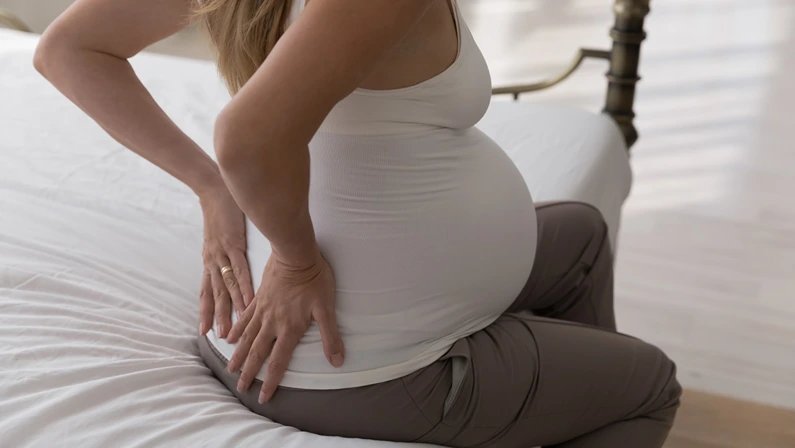
I never expected pregnancy to feel like such an emotional and physical rollercoaster. I knew I would gain weight, I knew I might deal with fatigue, and I knew things would shift in my body, but what surprised me the most was the intense, sometimes overwhelming discomfort in my lower back and hips. It felt like a deep, stubborn ache that never really went away, especially as I entered the second and third trimester.
At first, I brushed it off as “normal pregnancy stuff,” but after enough restless nights and stiff mornings, I finally sought out prenatal massage. That decision genuinely changed my experience of pregnancy, not dramatically in one session, but gradually, as I learned how the right therapeutic touch could actually help my body realign, relax, and let go of tension.
In this article, I want to share my experience, what actually happens during a prenatal massage, how it relieved my lower back and hip pain, and what I would recommend to any expecting mother who’s considering it.
When the Back and Hip Pain Started
Table of Contents
- 1 When the Back and Hip Pain Started
- 2 What My Prenatal Massage Session Was Actually Like
- 3 How Prenatal Massage Helped My Lower Back Pain
- 4 Hip Pain Was Actually More Complex Than I Realized
- 5 I Didn’t Expect the Emotional Benefits
- 6 Safety Considerations I Learned Along the Way
- 7 Things I Did at Home Between Sessions
- 8 How I Chose the Right Massage Therapist
- 9 What I Would Tell Another Expecting Mother
- 10 In the End: I Felt More Connected to My Body
- 11 Final Thoughts
Around the time my belly really started growing forward, I noticed a specific kind of discomfort, almost like my body was trying too hard to support a new center of gravity. I wasn’t prepared for the biomechanical domino effect:
- My belly expanded forward
- My posture compensated by leaning back
- My hip muscles tightened
- My lower spine compressed
- My sacroiliac joint became irritated
- My glutes and piriformis muscles locked up
- My walking stance widened
- And every step started to feel heavier
I remember thinking:
“How can something as natural as pregnancy feel so physically unnatural?”
For many women, including myself, the real culprit isn’t just weight gain, it’s hormone-triggered ligament loosening (thank you, relaxin). The pelvis starts to prepare for delivery, but in doing so, it becomes more unstable, and the surrounding muscles tense up to compensate.
That’s where prenatal massage helped me the most.
What My Prenatal Massage Session Was Actually Like
If you’ve never had one, you might picture lying flat on a massage table, but that’s actually not how it’s done for pregnant women. The process felt incredibly mindful and respectful of my pregnant body.
First, I lay on my side, supported by an entire fortress of pillows:
- one between my knees
- one under my belly
- one behind my back
- sometimes even one under my head and top arm
I felt cradled, cocooned, secure.
The therapist used slow, firm but gentle strokes on my:
- lower back
- glutes
- hips
- sacrum
- hamstrings
- piriformis muscles
She explained that these areas often tighten to compensate for pelvic instability and spinal curvature. And I realized something: the pain was not just in one spot, my entire pelvic structure was under stress.
At one point, she performed a gluteal release that seemed almost magical. I didn’t realize how much tension I was holding there, until it finally started to melt.
How Prenatal Massage Helped My Lower Back Pain
The relief wasn’t just immediate, it progressed.
After the first session, I felt lighter and slept better that night. But after several sessions, one every two weeks, I started noticing long-term changes:
1. Less stiffness when waking up
That heavy, tight feeling in my back started fading.
2. More mobility in the hips
I could reach my feet more easily, walk more smoothly, and transition from sitting to standing without that uncomfortable grunt.
3. Fewer shooting pains
Especially the kind that radiated into my buttocks or down one leg.
4. A noticeable improvement in posture
I didn’t feel like I was leaning back as dramatically to balance the weight of my belly.
5. Better circulation and less swelling
My therapist often worked on my legs, which helped with fluid buildup and fatigue.
It wasn’t dramatic like flipping a switch, it was more like slowly peeling away physical tension layer by layer.
Hip Pain Was Actually More Complex Than I Realized
Before prenatal massage, I assumed my hip pain came simply from carrying extra weight. But during the sessions, I learned that pregnancy can trigger:
- Sacroiliac (SI) joint inflammation
- Pelvic girdle pain
- Piriformis muscle compression
- Sciatic nerve irritation
- Hip-flexor shortening
- Weakening of deep abdominal musculature
My massage therapist explained that sometimes:
pain in the lower back is actually referred hip pain, and pain in the hips can stem from tightness in the glutes or lower spine.
I found that fascinating, because it shifted the idea of pain from being a problem to being a signal.
I Didn’t Expect the Emotional Benefits
This part surprised me.
The physical relief was amazing, but there was also a deep emotional release.
When someone is:
- supporting your body
- honoring its changes
- releasing its tension
- and doing so gently and compassionately
, it makes you feel cared for in a primal, human way.
During pregnancy, you’re constantly giving, giving energy, giving nutrients, giving physical resources to your baby. But during massage, for once, I was receiving.
Sometimes I would even tear up, not from sadness, but from the sensation of relief and being nurtured.
Safety Considerations I Learned Along the Way
Before I started prenatal massage, I had questions:
- Is it safe?
- Can it trigger labor?
- Does it affect the baby?
- Are there areas that shouldn’t be massaged?
Here’s what I discovered:
✓ prenatal massage is generally safe starting from the second trimester
The first trimester is often avoided due to miscarriage-related caution, not because massage causes miscarriage, but because it’s a sensitive developmental period.
✓ therapists trained in prenatal care avoid certain pressure points
Such as those around the ankles and between the thumb and index finger, which are associated with stimulating uterine activity.
✓ deep abdominal massage is not done
Only gentle external contact, if any.
✓ you’re positioned on your side or in a semi-reclined position
Never flat on your stomach, and rarely flat on your back.
✓ communication is essential
If any pressure feels too strong, you speak up.
Things I Did at Home Between Sessions
Massage helped, but I also learned ways to extend the relief.
Gentle stretches:
- hip circles
- figure-four stretch (modified, on the side)
- pelvic tilts
- cat-cow movement
- supported child’s pose
Heat therapy:
A warm compress on the lower back felt heavenly.
A pregnancy pillow:
This was a game changer for my sleep posture.
Light movement:
Even a 15-minute walk kept my hips from locking up.
How I Chose the Right Massage Therapist
I didn’t just go to any massage therapist, this part matters.
I specifically looked for someone who was:
- licensed
- experienced in prenatal massage
- knowledgeable about pregnancy anatomy
When I asked to see her prenatal certification, she happily showed it. That reassured me, I wanted someone who respected safety as much as comfort.
What I Would Tell Another Expecting Mother
If I could speak to my earlier pregnant self, I’d say this:
You don’t have to tough it out.
You don’t have to endure constant discomfort.
Your body deserves support.
Your changing structure deserves care.
Prenatal massage isn’t indulgent, it’s therapeutic.
It helps:
- improve mobility
- reduce edema
- soothe muscular tightness
- support pelvic stability
- encourage circulation
- promote better sleep
- decrease stress hormones
The massage didn’t just make me feel better, it made my pregnancy experience better.
In the End: I Felt More Connected to My Body
As my pregnancy progressed, my relationship with my body changed.
Instead of feeling betrayed by pain or frustrated by limitations, I started to feel grateful. Each massage reminded me that my body was working around the clock to grow a human life, and that it deserved gentleness and relief.
When the pain would flare up, instead of seeing it as something to fight, I began to see it as communication:
- this area needs support
- this muscle is overloaded
- this joint is compensating
- this ligament is loosening
- this structure is adapting
I learned to respond with compassion rather than irritation.
Final Thoughts
Prenatal massage didn’t eliminate all of my discomfort, but it absolutely transformed how I experienced it. It gave me relief, understanding, and a sense of being supported during a physically demanding time.
If you’re dealing with lower back and hip pain during pregnancy, I wholeheartedly recommend considering prenatal massage. You may discover the same thing I did, that with the right care, your body is capable of not just enduring pregnancy, but moving through it with more ease, comfort, and confidence.
