


If someone had told me years ago that sticking suction cups on my back would help me recover faster, loosen up my muscles, and even boost my athletic performance, I would’ve laughed. Like many athletes, I used to rely solely on stretching, hydration, and the occasional sports massage. Cupping therapy seemed like one of those trendy, “Instagram-friendly” wellness fads. Then I tried it , and today it’s a core part of my training and recovery routine.
In this article, I want to break down cupping therapy from the real-world perspective of an athlete. Not a sales pitch. Not mystical jargon. Just honest observations about what it feels like, what it does, why I use it, and how it actually impacts performance and recovery.
How I First Got Into Cupping
Table of Contents
- 1 How I First Got Into Cupping
- 2 What Cupping Actually Does (In Practical Terms)
- 3 The Famous Circular Marks , What They Actually Mean
- 4 Cupping vs. Massage: Which Works Better?
- 5 When I Use Cupping During My Training Cycle
- 6 Real-World Performance Benefits I’ve Experienced
- 7 Who Should Consider Cupping?
- 8 What It Actually Feels Like (For First-Timers)
- 9 My Personal Routine & Preferences
- 10 Downsides, Risks, and Honest Limitations
- 11 How Cupping Has Changed My Training Mindset
- 12 Why I’ll Keep Using Cupping as an Athlete
My introduction to cupping therapy happened during a particularly intense phase of training. I was pushing hard , heavy lifts, sprint work, and repeated competition prep. My lower back and hamstrings were constantly tight, and post-workout soreness lingered longer than it should.
A fellow athlete suggested I try cupping. I shrugged it off at first, but when my sports chiropractor recommended it as well, I figured it was time to experiment.
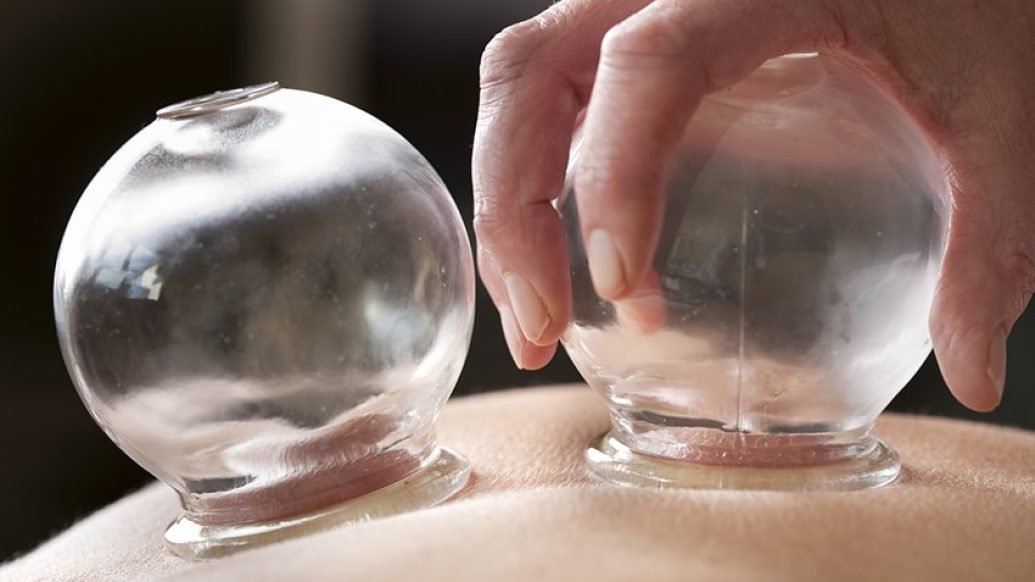
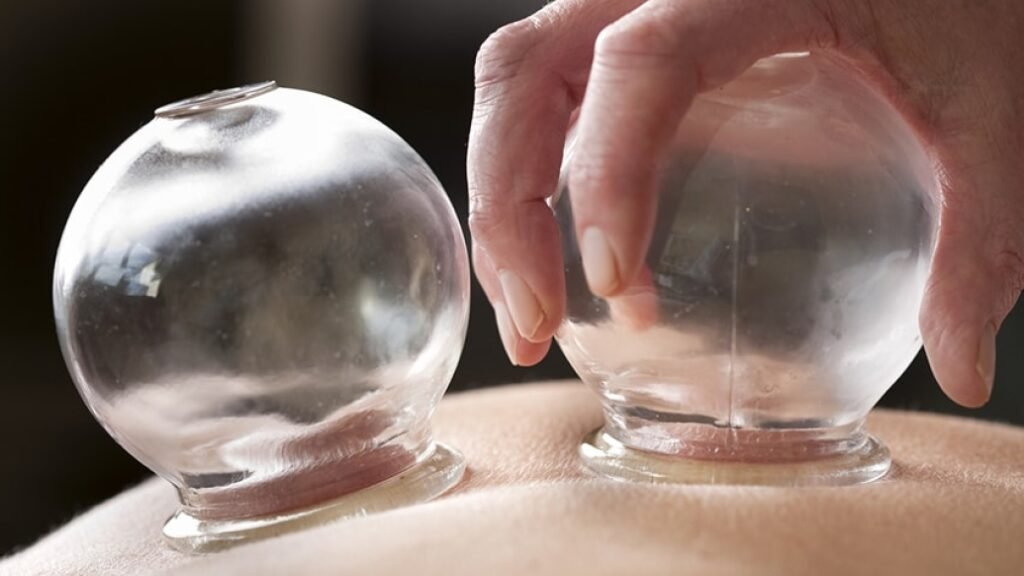
My first session was eye-opening. I remember the practitioner placing the silicone and glass cups across my back , the sensation was like someone gently pulling the skin away from the muscles, almost like reverse pressure-massage. Within minutes, I felt blood flow and warmth in those areas in a way I hadn’t experienced before. I walked out of that session feeling lighter, looser, and noticeably more mobile.
That night, I slept better than I had in weeks. And the next morning? The usual stiffness was significantly reduced.
That’s when I started taking cupping seriously as a performance tool , not just a relaxation method.

What Cupping Actually Does (In Practical Terms)
There’s plenty of theoretical and scientific explanation behind cupping , increased blood flow, stimulation of the lymphatic system, fascia release, etc. But here’s what I personally feel when I get cupping:
1. Faster Muscle Recovery
After intense training , especially leg day or explosive sprint work , my muscles normally feel “heavy.” Cupping accelerates the flush-out of metabolic waste and reduces lingering tightness.
2. Improved Mobility
Post-cupping, my joint range of motion improves. My hips feel more open, my shoulders roll more freely, and my stride length increases.
3. Deep Release of Tension
No massage has ever dug as deep as cupping. It unlocks tension in areas I didn’t even realize were restricted.
4. Better Neuromuscular Activation
This is something athletes will understand , when muscle fibers aren’t “sleepy” or inhibited by tension, activation improves. I’ve noticed stronger muscle contractions and better power output after cupping.
5. General Relaxation & Nervous System Reset
It doesn’t just help physically. Mentally, cupping helps my body shift out of high-tension mode and back into recovery.
The Famous Circular Marks , What They Actually Mean
People often comment on the trademark round circles that cupping leaves behind , the dark purple or red polka-dots athletes wear like badges of honor.
Here’s what I’ve learned:
- Light pink/red means mild stagnation.
- Dark purple/blackish circles indicate deeper tension or restricted blood flow.
- The more frequently I get cupping, the lighter the marks become over time , because the tissue becomes healthier.
At this point, I don’t view them as bruises , I see them as recovery indicators.
Cupping vs. Massage: Which Works Better?
I used to rely heavily on deep-tissue massage. It certainly works , but cupping reaches layers that even strong manual pressure can’t.
Massage pushes – cupping pulls.
That difference is everything. With cupping, the suction lifts tissue upward, creating space for blood and nutrients to circulate. For me personally, this results in:
- Less soreness the next day
- More immediate relief from knots
- Longer-lasting effect
I’ve had deep-tissue sessions where the tightness came back within 24 hours , whereas cupping can keep me loose for days.
When I Use Cupping During My Training Cycle
Over time, I’ve experimented with timing. Here’s what works best for me:
Off-Days or Recovery Days
Ideal for full-back, hamstrings, and shoulder cupping.
1–2 Days Before Competition
Light cupping only , to boost mobility and blood flow without soreness.
After Intense Workouts
If I’ve done heavy lifts, sprint intervals, or explosive plyometrics, cupping accelerates post-training recovery.
During Overtraining or Fatigue Periods
When my body feels overloaded, cupping helps reset the muscular system.
Real-World Performance Benefits I’ve Experienced
Over months of consistent cupping, here are changes I’ve personally felt:
- My acceleration improved due to looser hamstrings and hip flexors
- I reached deeper squat depth with less hip tightness
- Recovery periods between sessions shortened
- Daily post-training stiffness dramatically decreased
- Fewer minor strain-related injuries
- A general feeling of muscular “readiness”
Most importantly , I’ve been able to train harder and more frequently without breakdown.
Cupping didn’t turn me into a superhuman , but it absolutely optimized my body’s ability to perform and recover.
Who Should Consider Cupping?
If you’re an athlete dealing with:
- Tight hamstrings
- Shoulder stiffness
- Back discomfort
- Slow recovery
- Poor circulation
- Limited mobility
- Chronic muscle tension
, then cupping may be worth trying.
I’ve seen benefits across different types of athletes:
- Runners
- Weightlifters
- Cyclists
- Martial artists
- Swimmers
- CrossFit athletes
- Team-sport players
It’s not exclusive to elite performers , weekend warriors benefit just as much.
What It Actually Feels Like (For First-Timers)
If you’ve never done cupping, you might be curious about the sensation.
Here’s the best description I can give:
- The cups create a pulling pressure , almost like a reverse massage.
- Some areas feel warm, others feel tight.
- The sensation isn’t painful , more “intense” than uncomfortable.
- You might feel sore afterward for a day , similar to deep stretching.
Afterward, the treated area often feels:
- Lighter
- Looser
- More “open”
- Warm
- Relaxed
The improvement in blood flow is noticeable.
My Personal Routine & Preferences
Dry Cupping
This is my primary method , suction without movement.
Gliding (Oil-Based) Cupping
Amazing for larger muscle groups like lats, quads, or IT band.
Silicone Cups
I like these because they allow more flexibility in movement.
Glass Fire Cupping
Feels more traditional , but also produces the deepest suction.
Sometimes I do sessions with a practitioner. Other times, I use home cupping tools with self-application on calves, quads, and traps.
Downsides, Risks, and Honest Limitations
Cupping isn’t magic.
Here’s where it doesn’t help much:
- Tendonitis
- Ligament injuries
- Acute muscle tears
- Bone-related pain
- Structural joint problems
And it does have some mild drawbacks:
- The marks can be visually dramatic
- Minor soreness after treatment
- You need a skilled practitioner for best results
But personally , the benefits far outweigh these minor inconveniences.
How Cupping Has Changed My Training Mindset
Before cupping, I used to assume recovery was simply “rest + hydration.” Now I view recovery as active , something I must consciously facilitate.
Cupping has made me pay more attention to:
- Tension patterns
- Blood flow
- Myofascial health
- Tissue quality
- Nervous-system state
It’s helped me treat my body more intelligently instead of simply hammering it with training.
That mindset shift alone is worth noting.
Why I’ll Keep Using Cupping as an Athlete
If there’s one thing I’ve learned from years of training, it’s that small advantages add up. Better mobility, faster recovery, and improved muscle function can be the difference between plateauing and progressing.
For me, cupping therapy delivers real results , not as a miracle cure, but as a legitimate, reliable tool to:
- Reduce soreness
- Improve tissue health
- Boost circulation
- Restore mobility
- Enhance activation
- Support long-term performance
I went into my first session skeptical, and I came out a believer. Today, cupping is as essential to my routine as stretching, hydration, and proper sleep.
If you’re an athlete , competitive or recreational , I’d encourage you to just try it once. You might be as surprised as I was.


