



I’ll be honest, I’ve tried almost everything for cellulite at some point in my life, from expensive creams that promised miracles to targeted workouts that were supposed to “smooth everything out.” Some of those methods made minor improvements, but the real breakthrough for me came when I discovered manual lymphatic drainage (MLD). Before I experienced it firsthand, I thought lymphatic drainage was just another wellness trend circulating through skincare blogs and spa menus. I didn’t realize how profoundly it would change my understanding of my body, or how it would noticeably affect the appearance of my cellulite.
In this article, I’ll share my experience with MLD, what it is, how it works, the benefits I noticed, what sessions feel like, how often I do it, and how I now incorporate lymph-friendly habits into my routine.
Cellulite from a Lymphatic Perspective
Table of Contents
- 1 Cellulite from a Lymphatic Perspective
- 2 What Manual Lymphatic Drainage Actually Is
- 3 My First MLD Session
- 4 The Visible Results on Cellulite
- 5 Why Light Pressure Is the Secret
- 6 Drinking Water Afterward Made a Huge Difference
- 7 How Often I Do MLD
- 8 Self-Massage Techniques I Use at Home
- 9 Lifestyle Changes That Helped Amplify the Effects
- 10 A Deeper Mind-Body Reframing
- 11 Does It Work for Everyone?
- 12 My Advice If You’re Considering It
- 13 Where I Am Now
For years, I believed cellulite was simply a cosmetic issue, something that happened because of genetics or weight. But through learning about lymphatic circulation, I discovered something important: cellulite isn’t just about fat. It’s tied to how well the body eliminates waste.
Our bodies constantly process toxins, metabolic byproducts, and fluid buildup. The lymphatic system, a vast network of vessels, nodes, and ducts, is responsible for clearing that waste. When the lymph flow becomes sluggish or blocked, fluids and toxins can accumulate beneath the skin, pushing against connective tissue and creating that dimpled appearance we associate with cellulite.
When I heard this explanation, it finally clicked for me: cellulite isn’t a personal flaw or failure, it’s part of how the body manages fluids and filtration.

What Manual Lymphatic Drainage Actually Is
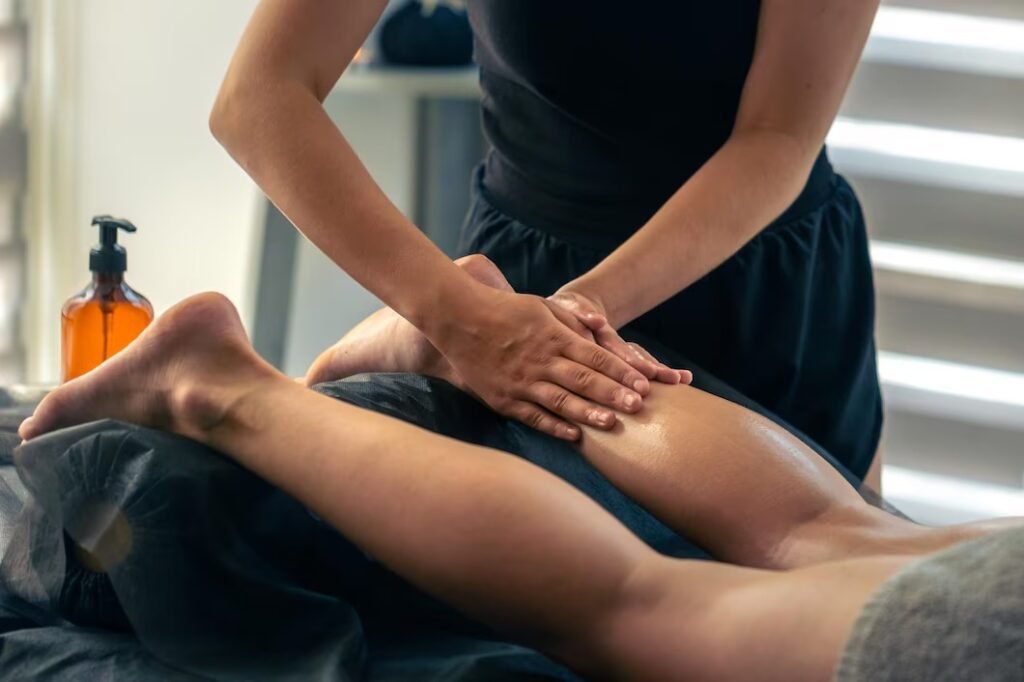
Manual lymphatic drainage is a specific type of therapeutic massage that stimulates lymph flow using:
- very light pressure
- slow, rhythmic strokes
- circular pumping movements
- motions that follow lymph pathways
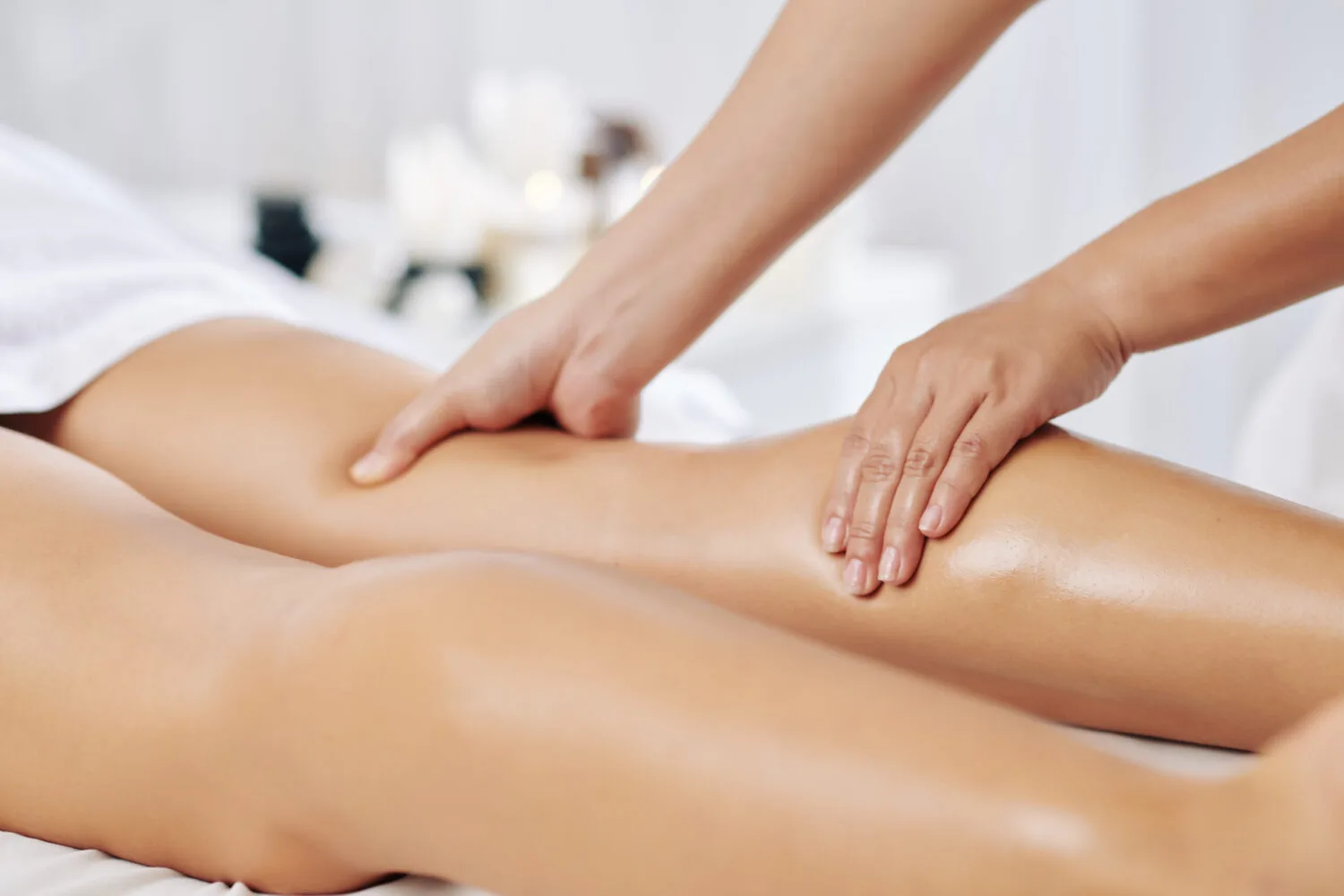
It’s not deep tissue, and it’s not like traditional massage. In fact, the first time I tried it, I was surprised by how gentle it was. I kept expecting the therapist to dig deeper or apply stronger pressure, but MLD isn’t about kneading muscles, it’s about stimulating fluid movement.
My First MLD Session
Walking into my first session, I wasn’t sure what to expect. The therapist explained that she would begin from the lymphatic “terminus”, essentially the points near the collarbones where lymph drains into the bloodstream, and then gradually work outward toward the limbs.
At first, the touch felt almost too light, as if it couldn’t possibly be doing anything. But about 20 minutes into the session, I started to feel a curious sensation, almost like a subtle internal shift or release.
When I stood up afterward, I felt noticeably lighter. Not weight-loss lighter, but de-puffed, less stagnant, and more fluid. It actually surprised me how different I felt physically after such a gentle technique.
The Visible Results on Cellulite
Of course, the big question is: did it improve my cellulite?
Yes, absolutely.
Not instantly, and not magically, but gradually and distinctly.
After about 4–5 sessions, I noticed:
- less fluid retention around my thighs
- skin texture looking smoother
- reduced “bumpy” appearance along the backside of my legs
- a more toned visual effect even without weight loss
I should emphasize that MLD doesn’t “remove fat.” Instead, it helps remove stagnation. When swelling, trapped fluid, and metabolic waste are cleared away, the skin simply looks more even and less compressed.
For me, the results accumulated over time and stayed more permanent the more consistently I supported my lymphatic system.
Why Light Pressure Is the Secret
One of the key things I learned is that the lymphatic vessels are extremely close to the surface of the skin, just beneath the top layer. If pressure is too deep, it actually compresses them rather than stimulates them.
This was fascinating to me because my instinct had always been that stronger equals better, a deeper massage, a harder roll, a firmer manipulation.
But lymphatic drainage flips that logic.
It’s about coaxing, not forcing.
Just like gently sweeping water through a shallow channel, the light rhythmic motions encourage flow rather than push resistance.
Drinking Water Afterward Made a Huge Difference
After each session, I was instructed to drink lots of water.
At first I did it just because I was told to, but then I started to notice that the days I hydrated properly were the days I saw the most improvement in smoothness.
It makes sense, if the lymphatic massage is mobilizing waste, flushing it out requires hydration.
Now it’s routine for me:
- A large glass before the session
- Continuous water intake throughout the day afterward
- Sometimes adding lemon or electrolytes to assist detoxification
How Often I Do MLD
When I first began, I did sessions twice per week for the first three weeks, then switched to once per week, and now I maintain it every two to three weeks.
If I go too long without it, I notice subtle changes:
- my thighs feel “thicker”
- I hold more fluid
- the dimpled texture becomes more noticeable
When I resume sessions, everything smooths out again.
Self-Massage Techniques I Use at Home
One of the best things I learned was how to perform simple lymphatic movements myself.
Here’s what I do regularly:
- gentle sweeping upward strokes on legs
- light circular motions behind knees
- collarbone pumping motions to stimulate drainage points
- soft brushing motions with a dry brush before showering
- diaphragmatic breathing to support lymph flow
- elevating my legs for 5–10 minutes to reduce fluid pooling
None of it is intense, and that’s the beauty of it.
It’s sustainable and easy to incorporate into daily life.
Lifestyle Changes That Helped Amplify the Effects
Through this process, I realized cellulite isn’t just something to be attacked topically, it’s deeply connected to overall wellness.
Things that helped me:
Walking and low-impact movement
Gentle movement acts like a natural pump for lymph. I now walk every day, even if just for 20–30 minutes.
Eating less processed food
This wasn’t about dieting, but reducing sodium-heavy, inflammatory foods made a visible difference in fluid retention.
Deep belly breathing
Lymph flow is partially driven by the diaphragm, so intentional breathing literally helps move lymph.
Wearing less restrictive clothing
I used to live in tight leggings and skinny jeans, and I didn’t realize how much they restricted circulation.
Prioritizing sleep
Lymphatic detoxification peaks during rest, poor sleep stalls that process.
All of these small changes worked synergistically with MLD.
A Deeper Mind-Body Reframing
This journey changed my mindset around cellulite.
I stopped seeing it as a flaw.
I started seeing it as a signal.
When cellulite increases, it tells me:
- I’m retaining fluid
- I’ve been sedentary
- I’m dehydrated
- My lymph isn’t flowing optimally
- I need internal rather than external care
That shift has been incredibly empowering.
Does It Work for Everyone?
I genuinely believe most people would see some positive result with MLD, but the degree of improvement varies:
- People with sedentary lifestyles often see dramatic changes.
- Those with lymphatic sluggishness typically benefit greatly.
- Genetics still play a role in skin structure.
- Hormones can affect fluid retention.
- Diet and hydration matter profoundly.
For me, it wasn’t a miracle cure,
but it was the first method that addressed the cause rather than the symptom of cellulite.
My Advice If You’re Considering It
Here’s what I wish I knew before starting:
- Choose a certified specialist for the first sessions.
- Don’t expect dramatic change after a single treatment.
- Take before-and-after photos, they reveal progress you don’t notice daily.
- Support the process with hydration and movement.
- Be consistent, MLD is cumulative.
- Treat it as self-care, not punishment or desperation.
Most importantly:
don’t approach cellulite reduction from a place of body shame.
My own relationship with my body transformed when I understood cellulite physiologically instead of cosmetically.
Where I Am Now
Today, my cellulite hasn’t vanished, nor do I expect it to.
But it’s significantly reduced, and the texture of my skin feels healthier, tighter, and more even.
More importantly, I feel connected to my body. I understand it. I work with it.
I’m no longer waging war against myself; I’m collaborating with my biology.
Manual lymphatic drainage has become one of the foundational wellness practices in my life, alongside hydration, low-impact movement, nourishing foods, and mindful rest.
It isn’t just about cellulite anymore, it’s about circulation, energy, lightness, and well-being.


