



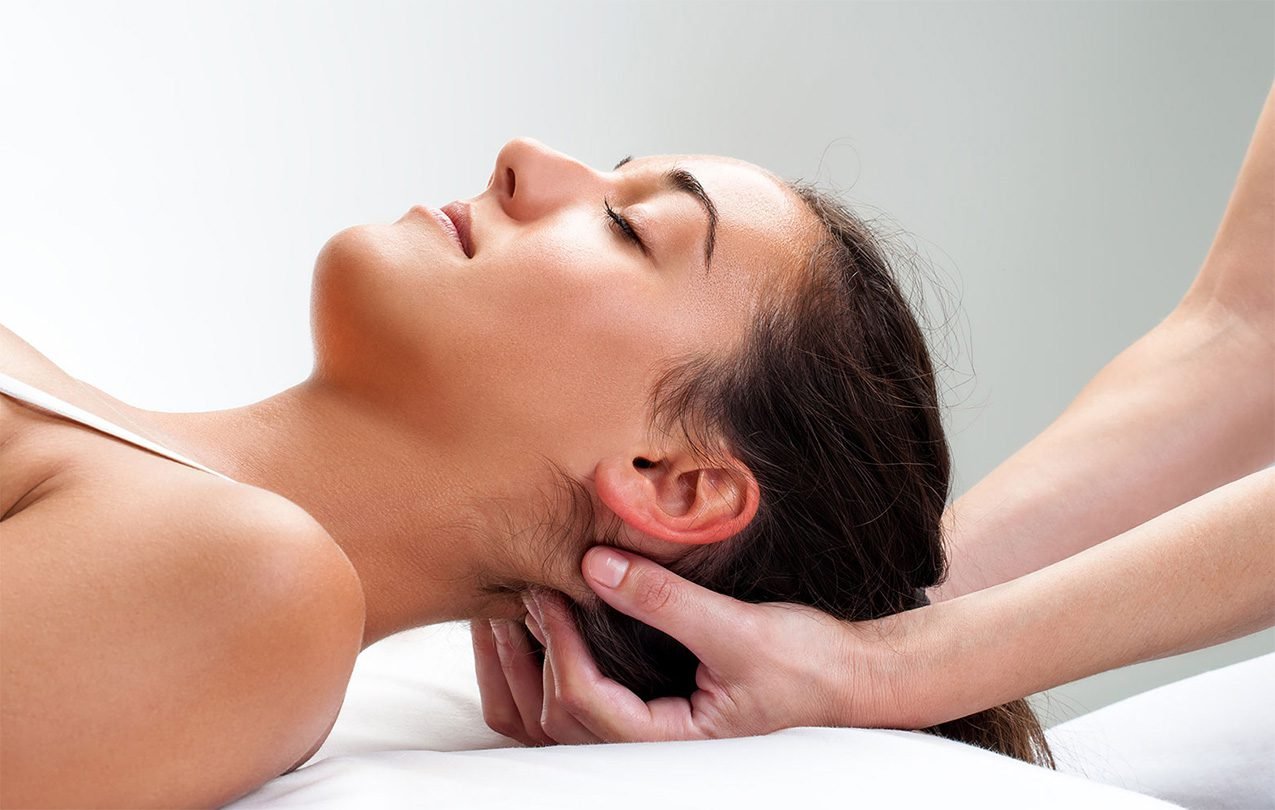
I’m a strong believer in the benefits of craniosacral therapy, its ability to calm the nervous system, help with chronic tension, support emotional release, and foster a sense of deep relaxation. However, the more I’ve worked with this modality, the more I’ve realized something crucial: craniosacral therapy is not appropriate for everyone. While it’s gentle and non-invasive, there are specific situations, medical conditions, and physiological states where craniosacral work may not be safe or recommended.
In this article, I want to walk you through the essential safety considerations, from the perspective of someone who appreciates craniosacral therapy but is equally committed to responsible and informed application. My goal here isn’t to discourage anyone, but to empower you with knowledge so that you can make the best decisions for your health or the health of your clients.
The Nature of Craniosacral Therapy
Table of Contents
- 1 1. Individuals with Recent Head Trauma or Brain Injury
- 2 2. People with Increased Intracranial Pressure (ICP)
- 3 3. Those With Bleeding Disorders or Taking Blood-Thinning Medication
- 4 4. Individuals With a Diagnosed Cerebral Aneurysm
- 5 5. Recent Spinal or Cranial Surgery
- 6 6. People with Severe Psychiatric Conditions
- 7 7. Infants or Children with Unresolved Medical Complications
- 8 8. People Who Expect a Physical Structural Result
- 9 9. Those Who Are Uncomfortable with Physical Touch
- 10 10. People Seeking Acute Crisis Relief
Before diving into contraindications, let me clarify how I personally think of craniosacral therapy. It’s a technique that works with the craniosacral system:
- the cranial bones
- the spinal column
- the sacrum
- cerebrospinal fluid
- membranes surrounding the brain and spine
By using extremely light touch, the practitioner gently influences the rhythm and movement of this system, promoting a shift toward balance and regulation.
Because it’s subtle, some people assume it’s automatically safe for everyone. But the body is extremely interconnected, if you influence one system, you can inadvertently affect another. This is why contraindications matter.

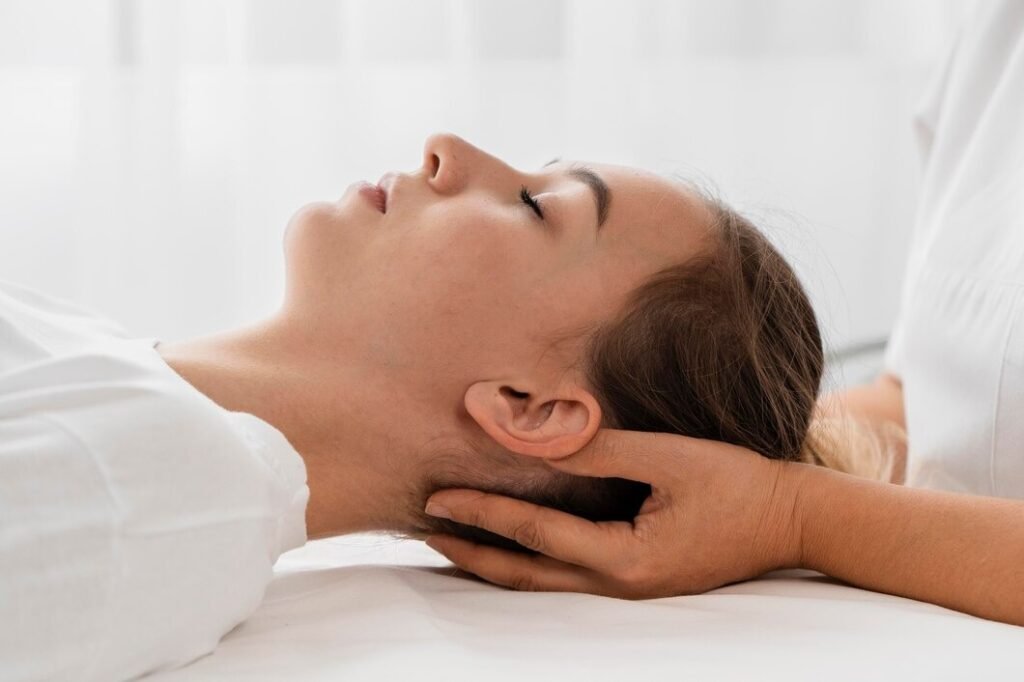
Who Should Not Receive Craniosacral Therapy
There are several categories of people for whom craniosacral therapy might pose a risk. Below are the primary ones I’ve learned to screen carefully for.
1. Individuals with Recent Head Trauma or Brain Injury
If someone has recently experienced:
- concussion
- skull fracture
- traumatic brain injury
- intracranial bleeding
- aneurysm
I would advise extreme caution.
With craniosacral therapy, even subtle manipulation of cranial bones can influence intracranial pressure. In someone recovering from a serious head injury, the body is still stabilizing its internal environment. External manipulation, even gentle, may disrupt that healing process.
I personally would avoid craniosacral work until a physician confirms structural stabilization and neurological recovery.
2. People with Increased Intracranial Pressure (ICP)
This is a major red flag. Increased intracranial pressure can occur from:
- hydrocephalus
- tumors
- infections
- brain swelling
- cysts
- hemorrhage
Craniosacral therapy can influence cerebrospinal fluid dynamics, and if the body is already struggling with pressure imbalances, therapy can make the condition worse.
If someone has unexplained headaches, visual disturbances, behavioral changes, or neurological symptoms, I believe medical evaluation is priority before any craniosacral work.
3. Those With Bleeding Disorders or Taking Blood-Thinning Medication
This includes people with:
- hemophilia
- clotting disorders
- conditions requiring anticoagulants
- medications such as warfarin, Eliquis, Xarelto, etc.
Why the concern?
Craniosacral therapy affects rhythmic fluid movement and subtle tissue dynamics around the brain and spine. If bleeding occurs or worsens, even microscopically, it can have serious consequences.
Personally, I would either avoid therapy or get medical clearance before proceeding.
4. Individuals With a Diagnosed Cerebral Aneurysm
This one is straightforward: the risk is simply too high.
If someone has a cerebral aneurysm, a weakened bulge in a blood vessel, the last thing you want is fluctuation in intracranial pressure, even gentle or rhythmic.
I would never perform craniosacral therapy in this case unless a neurologist or vascular surgeon specifically approved it. Human safety always outweighs therapeutic curiosity.
5. Recent Spinal or Cranial Surgery
If a person recently underwent:
- brain surgery
- spinal surgery
- shunt placement
- cervical fusion
- decompressive surgery
The surgical sites are still healing and tissues are adjusting to mechanical and pressure changes. The craniosacral system is intricately connected to the surgical region, and influencing it may interfere with recovery.
In my opinion, the therapy should only be considered after post-surgical healing is well advanced and clearance has been obtained from a medical professional.
6. People with Severe Psychiatric Conditions
I’ve seen that craniosacral therapy can induce emotional release, and for the average person, this is therapeutic. However, for someone with:
- schizophrenia
- severe dissociation
- PTSD with unstable emotional regulation
- acute psychiatric distress
the somatic changes can trigger intense emotional responses.
In such cases, I believe craniosacral therapy should only be used in a highly controlled therapeutic environment, ideally coordinated with a mental health professional.
7. Infants or Children with Unresolved Medical Complications
Craniosacral therapy with children is often beneficial, but not always appropriate.
I would avoid it when:
- the infant has unexplained neurological symptoms
- there is hydrocephalus
- there is a history of seizures
- cranial bones or intracranial structures are still under observation medically
A baby’s craniosacral system is extremely sensitive. Any intervention should be supervised and medically cleared.
8. People Who Expect a Physical Structural Result
This may not be a medical contraindication, but it is an expectation mismatch.
Craniosacral therapy is not:
- chiropractic
- osteopathic manipulation
- deep tissue work
If someone expects pressure or structural force, they may misinterpret the stillness and subtlety of the therapy and unconsciously resist it.
I’ve found that craniosacral therapy works best when someone can surrender to the experience.
9. Those Who Are Uncomfortable with Physical Touch
Some individuals, due to personal boundaries, cultural background, trauma history, or preference, do not feel safe with another person touching their head or body, even gently.
In my practice, emotional readiness is as important as physical readiness.
If someone is uneasy, we pause and choose a different approach, or a different therapy entirely.
10. People Seeking Acute Crisis Relief
Craniosacral therapy is not an emergency intervention.
It’s not for:
- active stroke
- intense migraine requiring diagnostic evaluation
- sudden neurological decline
- acute infection
- medical instability
If someone is in crisis, I personally direct them to immediate medical care first. Alternative therapies are wonderful, but not in emergencies.
Why Contraindications Matter
The craniosacral system influences:
- the autonomic nervous system
- cerebrospinal fluid flow
- brain-spine interaction
- tissue tension
- systemic sensory input
A shift in this subtle network can produce real physiological effects. When someone’s system is fragile, structurally, neurologically, or medically, the wrong stimulus at the wrong time can be harmful.
I believe the hallmark of a responsible therapeutic practitioner is not the willingness to work on anyone, but the discernment to know when not to.
What I Do When Someone Is Not a Candidate
When I determine that craniosacral therapy is not appropriate for someone, I don’t simply turn them away. Instead, I explore alternatives that may be safer, such as:
- guided breathwork
- light energy-based relaxation techniques
- supportive self-touch instruction
- mindfulness or grounding practices
- referral to medical or osteopathic providers
- gentle non-manipulative bodywork
- trauma-informed emotional regulation methods
Sometimes, craniosacral therapy becomes appropriate later, after healing progresses or after reassessment. Sometimes, it never will. And that’s okay.
The Responsibility of Listening to the Body
Over time, I’ve learned that the body communicates clearly, if we pay attention.
When I place my hands gently near the cranium, I’m not imposing force. I’m listening.
If a person’s system feels resistant, chaotic, or strained, I respectfully step back.
Craniosacral therapy is not about dominance, it’s about cooperation.
And if the body signals “not now,” we honor that.
Final Thoughts
I genuinely think craniosacral therapy can offer deep healing, but only when given to appropriate individuals at appropriate times. The question is not simply “Can this person receive craniosacral therapy?” but rather:
- Is their body in a stable condition?
- Is their nervous system prepared for subtle change?
- Have they been medically evaluated when needed?
- Does the therapy align with their healing stage?
Speaking personally, I would rather err on the side of caution than risk harm through enthusiasm. True healing is patient, respectful, and informed.
By understanding who should not receive craniosacral therapy and why, we create safer therapeutic environments. And more importantly, we honor the wisdom of the body rather than assuming authority over it.
Read more expert massage and wellness guides like this on MassageProGuide.


