


As someone who has been running consistently for years, through rainy mornings, humid summer evenings, and crisp winter roads, I’ve learned that the difference between a good run and a great run often lies in how well my body is taken care of outside of training. For a long time, I believed simply running more would build my endurance and that stretching after a run was enough to maintain flexibility. But after hitting a plateau in both performance and recovery, I discovered a game-changing tool in the runner’s toolkit: sports massage.
This isn’t just a luxury or spa treatment. For me, sports massage for runners became a performance enhancer, a recovery accelerator, and a secret weapon in maintaining long-term running health. Today, I want to share how it’s helped me increase flexibility, boost endurance, and run stronger and longer , with less pain and fewer injuries.
How I First Learned the Value of Sports Massage
Table of Contents
- 1 How I First Learned the Value of Sports Massage
- 2 How Sports Massage Increased My Flexibility
- 3 The Endurance Boost: Stronger for Longer
- 4 My Routine: How Often I Go and What I Ask For
- 5 What Massage Techniques Work Best for Me
- 6 How It Changed My Running Form
- 7 The Mental Benefits: Running Without Tension
- 8 Tips I’d Give Any Runner Trying Sports Massage for the First Time
- 9 What I Wish I Had Known Sooner
- 10 Running Better Through Care
I used to think massages were indulgent, relaxing extras , definitely not a necessity. That changed after I pushed through an intense training cycle preparing for a half marathon. My hamstrings were tight, my calves felt like they were made of cement, and every run started with discomfort. I was stubborn , I iced, stretched, foam-rolled , but still felt stuck.
Then a fellow runner suggested I try a sports massage therapist in town.
I went in skeptical.
I came out shocked.
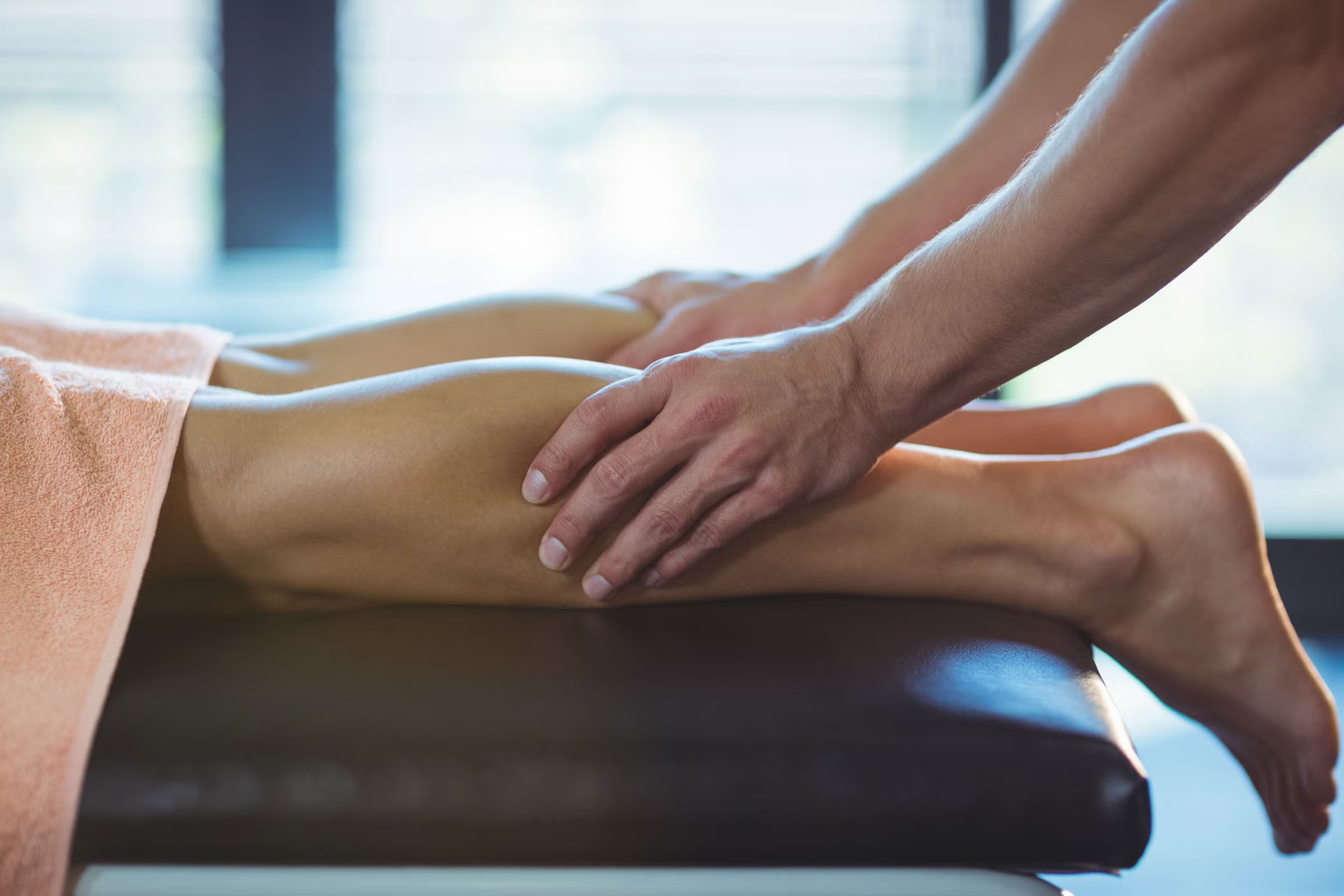
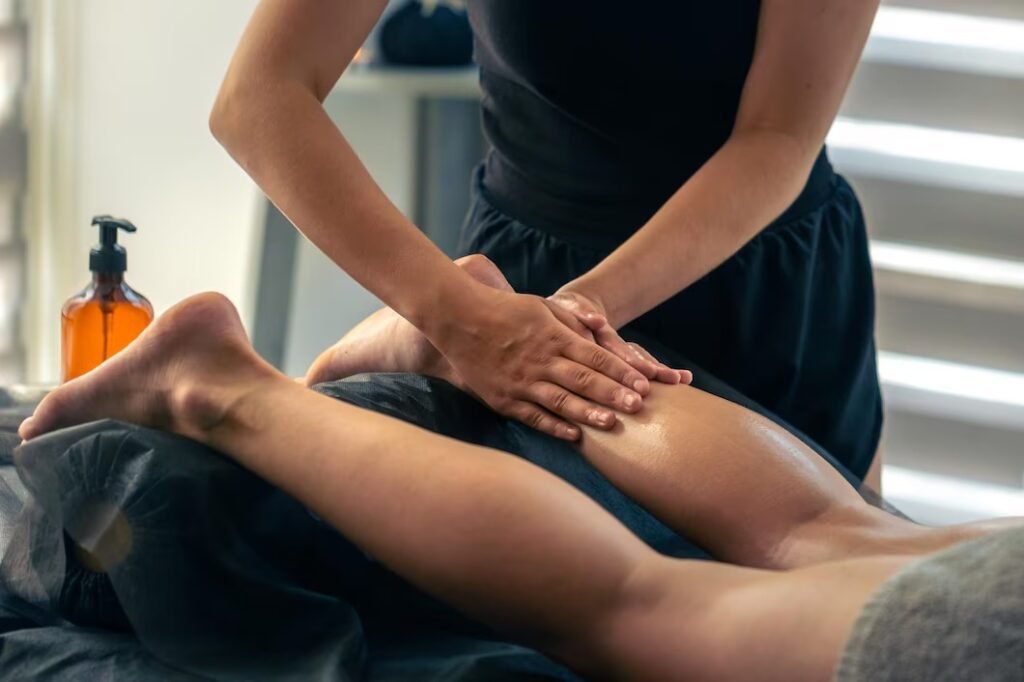
The therapist found muscle knots I didn’t even know were there. She worked on adhesions deep in the calves, released tension from my hip flexors, and loosened tight fascia along my IT band. The very next day, I ran with noticeably lighter legs , as if someone removed invisible sandbags.
That was when I realized: sports massage isn’t about indulgence , it’s about performance.
How Sports Massage Increased My Flexibility
Flexibility has always been a challenge for me. I’ve never been naturally limber, and as a runner, I tended to focus mostly on forward motion , not mobility.
Sports massage changed that by:
1. Breaking up muscle adhesions
Running creates micro-trauma in the muscles , tiny tears that heal and strengthen, but also can form adhesions. These adhesions inhibit flexibility.
Massage physically breaks them apart, especially with:
- Deep tissue pressure
- Cross-fiber friction
- Myofascial release
I noticed I could suddenly extend stride length more naturally, without forcing it.
2. Improving range of motion around joints
When my quads and hamstrings were tight, my knee movement was restricted. Loosening the muscles increased knee mobility, which also reduced stress on the joints.
3. Reducing protective muscle contractions
Your body sometimes “tightens” areas around discomfort or fatigue to protect them. Massage signals to the nervous system that the area is safe, allowing the muscle to release.
After regular sessions, I found I could stretch deeper and more comfortably, both before and after runs.
The Endurance Boost: Stronger for Longer
One of the biggest changes I’ve noticed since incorporating sports massage is how long I can sustain effort , both in casual runs and during races.
Improved blood flow = better oxygen delivery
Massage stimulates circulation. After a session, my legs feel warmer and fuller , a sign that blood is flowing efficiently. More blood means more nutrients delivered to muscle tissue, which results in:
- Less fatigue
- More sustained energy
- Better recovery between runs
Reduced buildup of metabolic waste
As runners, we accumulate lactate and other by-products of exertion. Massage helps flush this out, speeding the recovery process. For me, this meant waking up the next morning without the “heavy leg hangover.”
Lower injury frequency = consistent training
Endurance doesn’t just come from working harder , it comes from working consistently.
Before massage, I was frequently sidelined by:
- Shin splints
- Calf tightness
- IT band syndrome
- Hip stiffness
Sports massage helped stop these problems before they became setbacks. Consistency bred endurance.

My Routine: How Often I Go and What I Ask For
Whenever someone asks me how often they should get a sports massage, I always say: it depends on your mileage and your body.
Here’s my real-world rhythm:
- During heavy training cycles (half/marathon prep): every 2–3 weeks
- During maintenance cycles: once a month
- After a race: within 48 hours
And during the session, I make sure to request specific focus areas:
- Calves
- Hamstrings
- Glutes
- Hip flexors
- Lower back
I also mention the distance I’m currently running. Therapists who specialize in sports really appreciate that , it helps them read the body better.
What Massage Techniques Work Best for Me
I’ve tried a variety of methods, and here’s what I’ve personally found beneficial:
Deep tissue massage
This is not always comfortable , I’ve had moments where I had to breathe through intense pressure. But every time, I left with drastically looser muscles.
Trigger point therapy
These are the “knots” in the muscle. Applying pressure directly to them releases local tension instantly.
Myofascial release
This feels like stretching through massage , slow, sustained pressure that encourages the fascia to lengthen.
Dynamic stretching and active manipulation
Some therapists will move the leg while applying pressure , this combination has helped me improve flexibility more than static stretching alone.
How It Changed My Running Form
Before massage, I had a noticeably short stride and limited hip extension. When I got tired, my form deteriorated , I leaned forward too much, landing hard on my heels.
After a few months of massage treatment:
- My hips opened
- My stride lengthened
- My cadence improved
- I landed softer
- My posture stayed upright longer
I wasn’t working harder , I was working freer.
The Mental Benefits: Running Without Tension
Running is as mental as it is physical. Before massage therapy, I often started runs guarded , anticipating aches. This created subconscious bracing in my muscles.
After massages, I run:
- more confidently
- more smoothly
- more relaxed
I don’t worry about injury the same way. I feel tuned, prepared, optimized.
And there is something deeply calming about knowing someone manually checks in with your muscles , searching for tightness, imbalances, warning signs. It’s like listening to your body through someone else’s hands.
Tips I’d Give Any Runner Trying Sports Massage for the First Time
If you’ve never gotten a sports massage before, here’s my honest advice:
1. Speak up during the session
If pressure is too intense , or not intense enough , say something. Therapists value feedback.
2. Hydrate well afterwards
Massage releases fluid and waste buildup into the bloodstream. Water helps flush it out.
3. Don’t run hard immediately before or after
Give the body a half-day window to adjust.
4. Expect soreness
After deeper sessions, I sometimes feel like I’ve worked out , that’s normal.
5. Be consistent
One massage is helpful.
A series of massages is transformational.
What I Wish I Had Known Sooner
If I could go back and give advice to my younger runner-self, it would be:
Don’t wait until you’re injured to take care of your body. Prevent, don’t react.
I used to treat pain as something to run through. Now I listen to it , and address it proactively. Sports massage isn’t just recovery … it’s maintenance.
Running Better Through Care
Today, massages are as essential to my running as proper hydration or good shoes. I view them as part of my athletic identity , a ritual of respect for the body that carries me mile after mile.
I’m running better in my 30s than I did in my 20s , not because I’m pushing harder, but because I’m taking care of the machine that makes running possible.
Sports massage has helped me:
- move with greater flexibility
- sustain endurance across longer distances
- avoid injury
- enjoy the pure joy of running
If you’re a runner looking to improve performance, feel lighter on your feet, and make running more sustainable for the long term, I can’t recommend sports massage strongly enough. It’s the difference between forcing movement and freeing movement , and that difference can transform not just your running, but your entire relationship with your body.
Want better performance and recovery? Explore more runner-focused massage insights on MassageProGuide.


